 Penang
Malaysia took a tax break away from one of these islands and later handed a version of it to the other. Those two decisions explain most of what you will notice in your first week in either place, from who is sitting next to you at lunch to whether you can walk there.
1969 in George Town
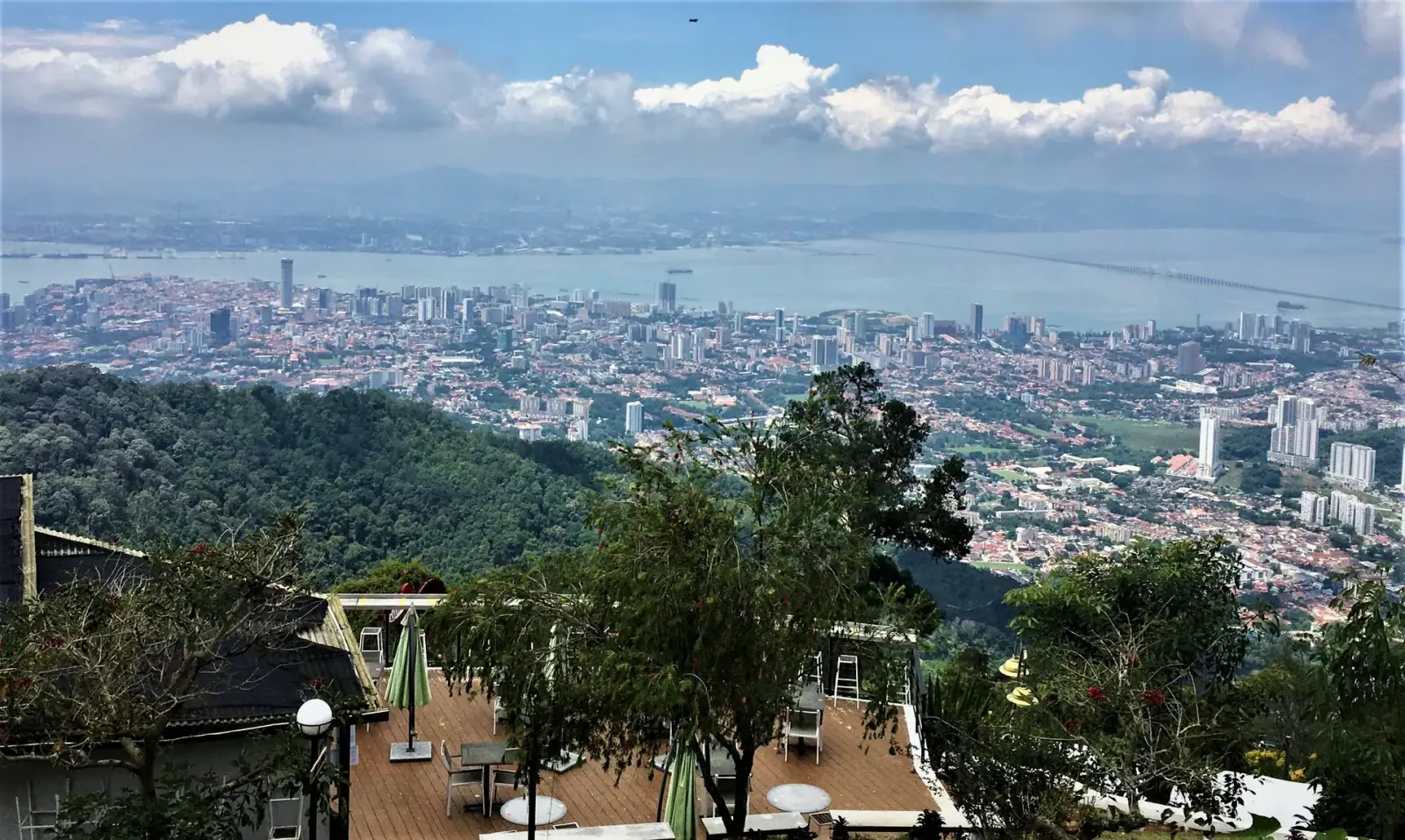
Francis Light took possession of the island for the British in August 1786 and ran George Town as a free port, which drew trade away from Dutch posts across the region. The federal government rescinded that status in 1969. By the end of that decade unemployment had reached 9 percent and income per head sat 12 percent below the national average, young people were leaving, and the old port began to rot. Voters threw out the state government that same year.
The new chief minister, Lim Chong Eu, bet on electronics. Bayan Lepas opened in 1972 as the first free-trade zone in independent Malaysia, and it now holds more than 300 multinationals, Intel, AMD and Bosch among them. Penang accounted for nearly a third of Malaysia's exports in 2024. So this is a working island, and it has what such a place acquires: serious hospitals, which drew more than half of Malaysia's medical tourists before Covid, and hawker stalls feeding people who have jobs to get back to.
The heritage you came to see survived the same history. Money and residents drifted towards the factories and the new suburbs, the repeal of rent control in 2001 left the core in worse shape, and it took a push from civil society and a UNESCO listing in 2008 to turn the decline around. A pre-war shophouse on Muntri Street is now the Hundred Years coworking space. You could work there in the morning, walk to char kway teow at lunch, and ride the free CAT shuttle round the heritage zone when the heat gets to you.
That history also left the traffic. The Mutiara Line light rail was about 9 percent built in June 2026 and is not due until the end of 2031, so plan to live where you do not need the bridge or the highway.
1986 in Kuah
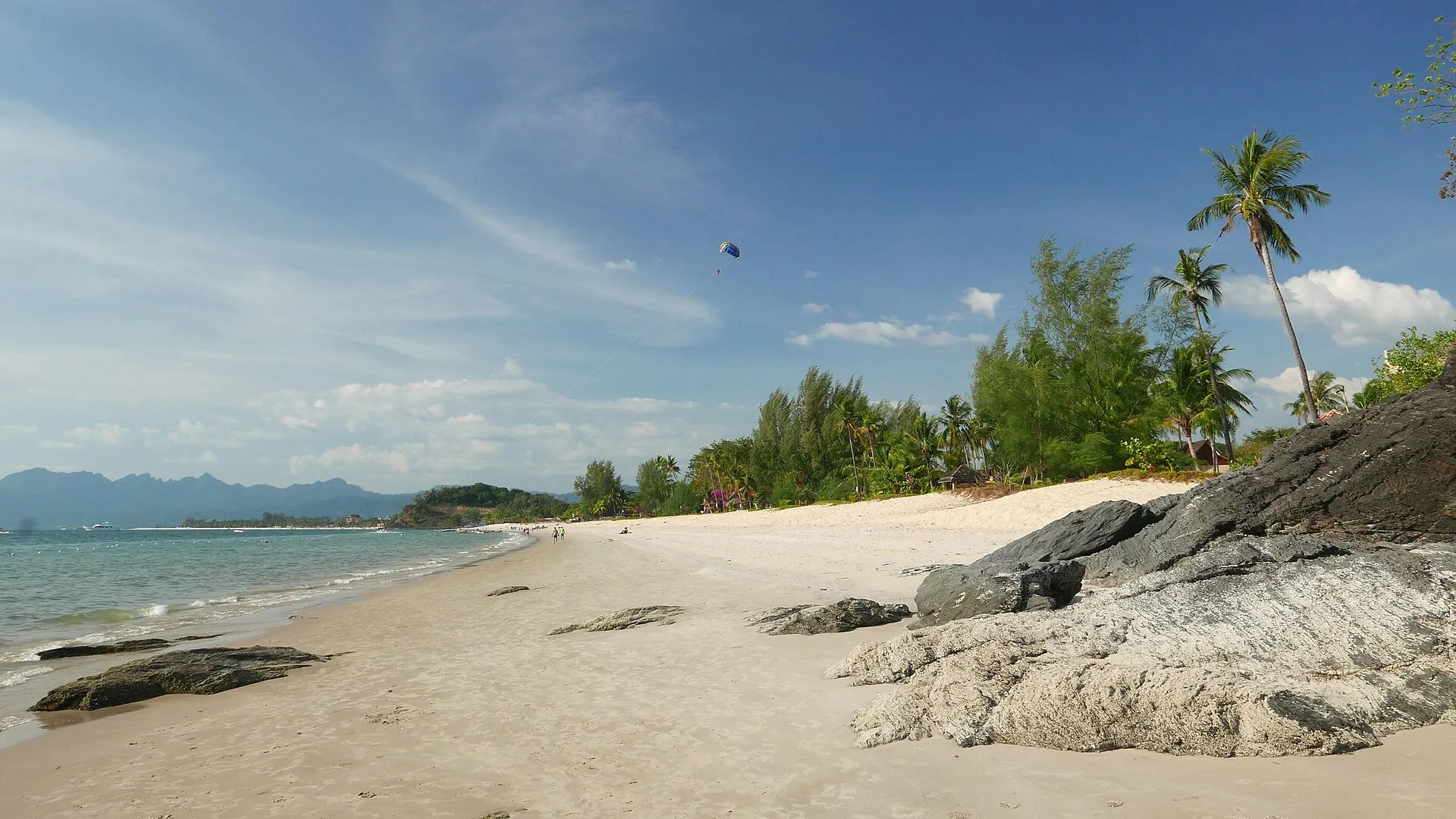
Local legend blames Mahsuri. Wrongly accused of adultery and executed in the late 18th century, she is said to have cursed the island for seven generations, and Langkawi stayed a quiet backwater for about that long. Then in 1986 Prime Minister Mahathir decided to make it a resort, down to helping plan some of the buildings himself. It became a duty-free zone, and by 2012 more than three million tourists a year were arriving on an island with perhaps 65,000 residents.
Penang grew by exporting. Langkawi was designed from above to receive, and you feel that daily. The malls in Kuah sell duty-free goods to people about to catch a ferry, and Pantai Cenang is one long strip of bars and rental shops. Cheap beer is real. So is the rainforest at Datai and a UNESCO geopark listed since 2007, though a yellow card in 2014 warned that it could lose the status.
For a working week, it is thin. You need a scooter, at around $145 to $220 a month, because almost nothing is walkable beyond Cenang and Kuah town. Jetpack, the island's original coworking space, seats about six people. Most café connections manage browsing and struggle with a video call.
Where that leaves you
A resort built for visitors does not come cheaper for staying longer. We put a month at about $1,600 in Penang and about $1,700 in Langkawi, so the island with fewer services also costs slightly more. The DE Rantau pass, at about $24,000 a year in income, works for both, and the two share a monsoon: October is the wettest month in each, at around 340 millimetres, and December to February is the time to be outdoors.
Penang has a real drawback in its air, which is worse than Langkawi's, and it is hot in the streets all year round. We would still live there. Langkawi is the better weekend and the worse Wednesday. Should George Town turn out too small as well, we compare Penang with Kuala Lumpur separately.
Rent in George Town or Pulau Tikus for the season. Then book the short flight to Langkawi for a long weekend in January, and leave the laptop behind.
 United States
 United Kingdom
 Germany
 Canada
 Australia
 India