 Medellín
Your neighbours
Neither city has a tourist season in the way a beach town does, so what you get on a wet Tuesday in October is simply the city. That makes the useful question who lives there, because they are who you will be dealing with, dancing with and, if you stay, befriending.
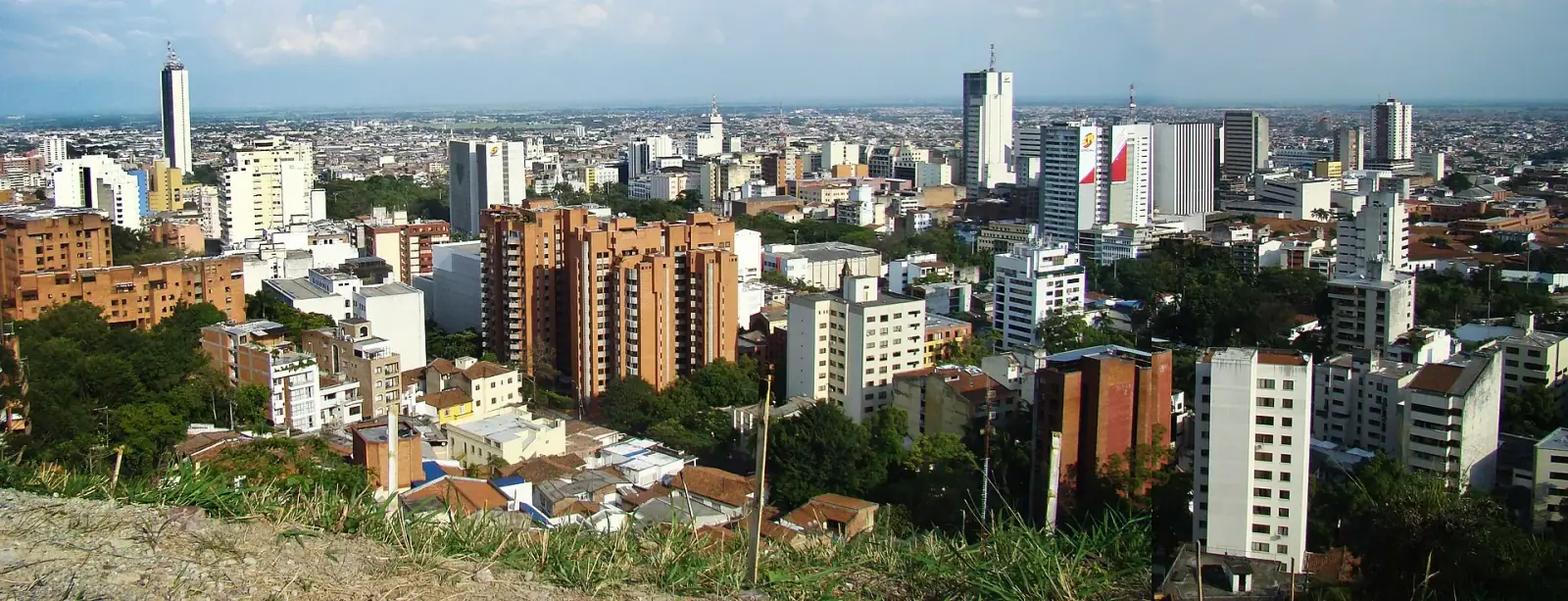
Cali has about 2.3 million people, and roughly a quarter of them are Afro-Colombian. Much of that comes from a migration you can trace. The port of Buenaventura is only about 114 kilometres away, on the other side of the Farallones, and from the 1970s people displaced by violence or disaster along the Pacific coast, the Tumaco disaster of 1979 among them, settled on the city's east side. The Aguablanca district that grew there was counted at around 700,000 people in 2005, some 30 percent of the city, and it has given Cali many of its dancers and musicians. It also has some of its hardest streets.
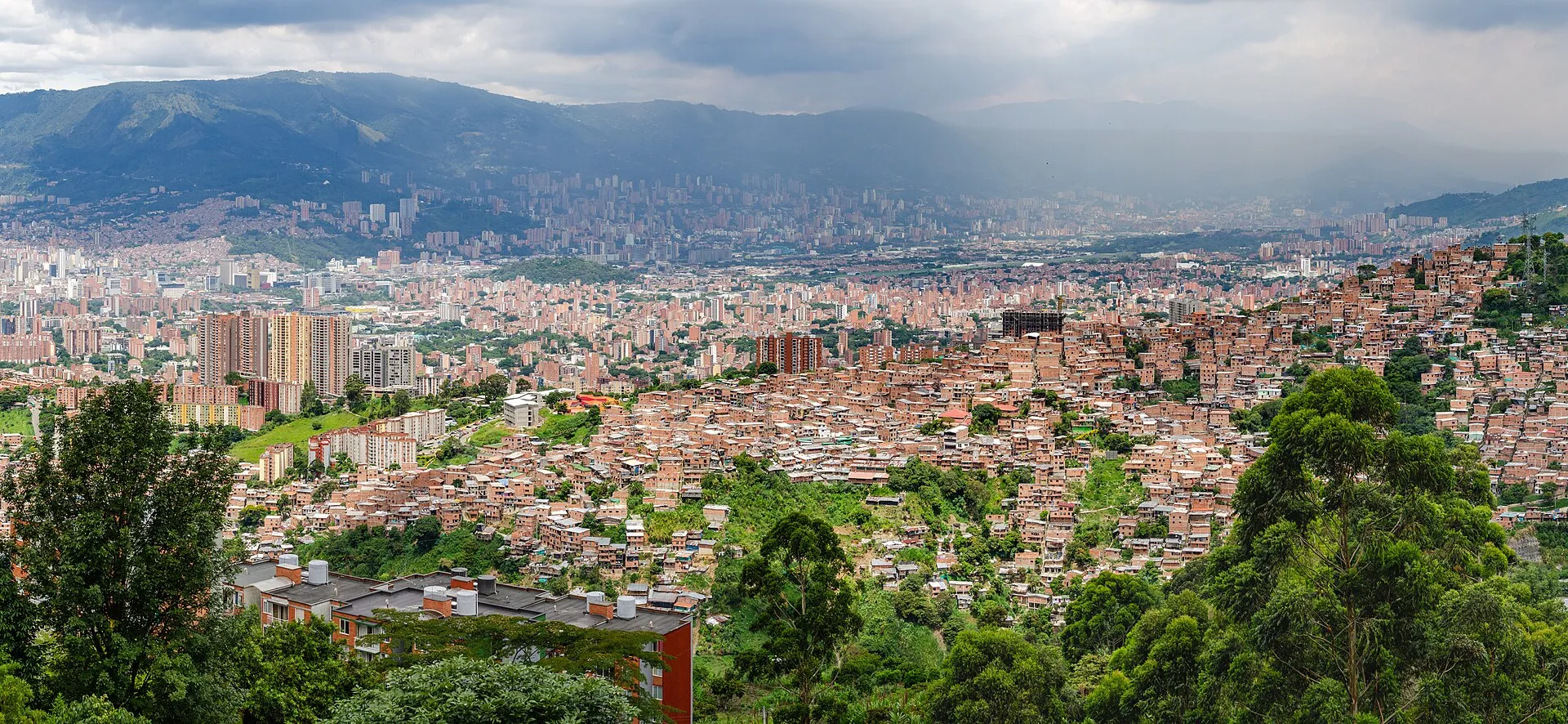
Medellín, at 2.4 million in its last census, has a different kind of story. Paisas are famously proud of being paisas, a regional identity with a reputation for commerce and hospitality, and more than 30 universities keep the city young. The surprise is the foreigners. The remote workers of El Poblado are the ones who get written about, but the city's largest immigrant groups have been Ecuadorians and Venezuelans working in informal trade. You will share the metro with them, and with the hillside neighbourhoods that the cable cars connect to it, far more than with anyone holding a laptop. Laureles, with its circular tree-lined streets, is where you can live among paisas and still walk to a coworking desk.
What a normal month looks like
Cali's calendar belongs to its residents. The Feria runs 25 to 30 December, and it was created in 1957 to lift the city after an explosion near the train station killed more than 1,000 people. Delirio, the Las Vegas-style salsa show, is held on the last Friday of each month. The Petronio Álvarez festival, free and devoted to Pacific music, takes over each August, as it has since 1996, and with marimbas rather than salsa. On any other week there are dance schools and the clubs of Juanchito. It sits at about 1,000 metres, with highs of 30°C and lows near 20°C throughout the year, so the evening is the part of the day people look forward to.
Medellín's month is more office-shaped: a metro that works, coworking in two districts, cafés full of people on the same schedule as you, and temperatures about two degrees lower by day. It is the easier place to run a job from, and the crowd in Poblado will make you feel at home in a week. It will also let you go months without speaking Spanish, which we count as a drawback.
The number you have to look at
In the first nine months of 2024, Medellín recorded about 11 homicides per 100,000 people, and Cali about 40. Cali then ended 2025 with 1,065 homicides, up 14 percent and the highest figure in four years. That shapes how you move at night wherever you live, and phone snatching is a real risk in many areas.
The wider region matters too. The US State Department lists Valle del Cauca outside Cali as do-not-travel, along with neighbouring Cauca, so the weekend trips you might plan from Cali are more limited than a map suggests. The new president was sworn in at Cali on 7 August 2026, and a car bomb went off in the southwest the next day. Read the news the week you book.
Where we would send you
On our estimate you would pay around $1,800 a month in Medellín and around $1,500 in Cali, and that $300 should not sway you. Medellín is the sensible base for almost everyone, and we compare it with the capital separately. Cali suits one person: someone with working Spanish who wants to learn to dance properly from the people who do it best, and who will take advice from neighbours on where not to walk.
The best introduction costs little. Base yourself in Medellín, then take a short flight down for a week in August, when the Petronio is on and Cali shows you who actually lives there.
 United States
 United Kingdom
 Germany
 Canada
 Australia
 India