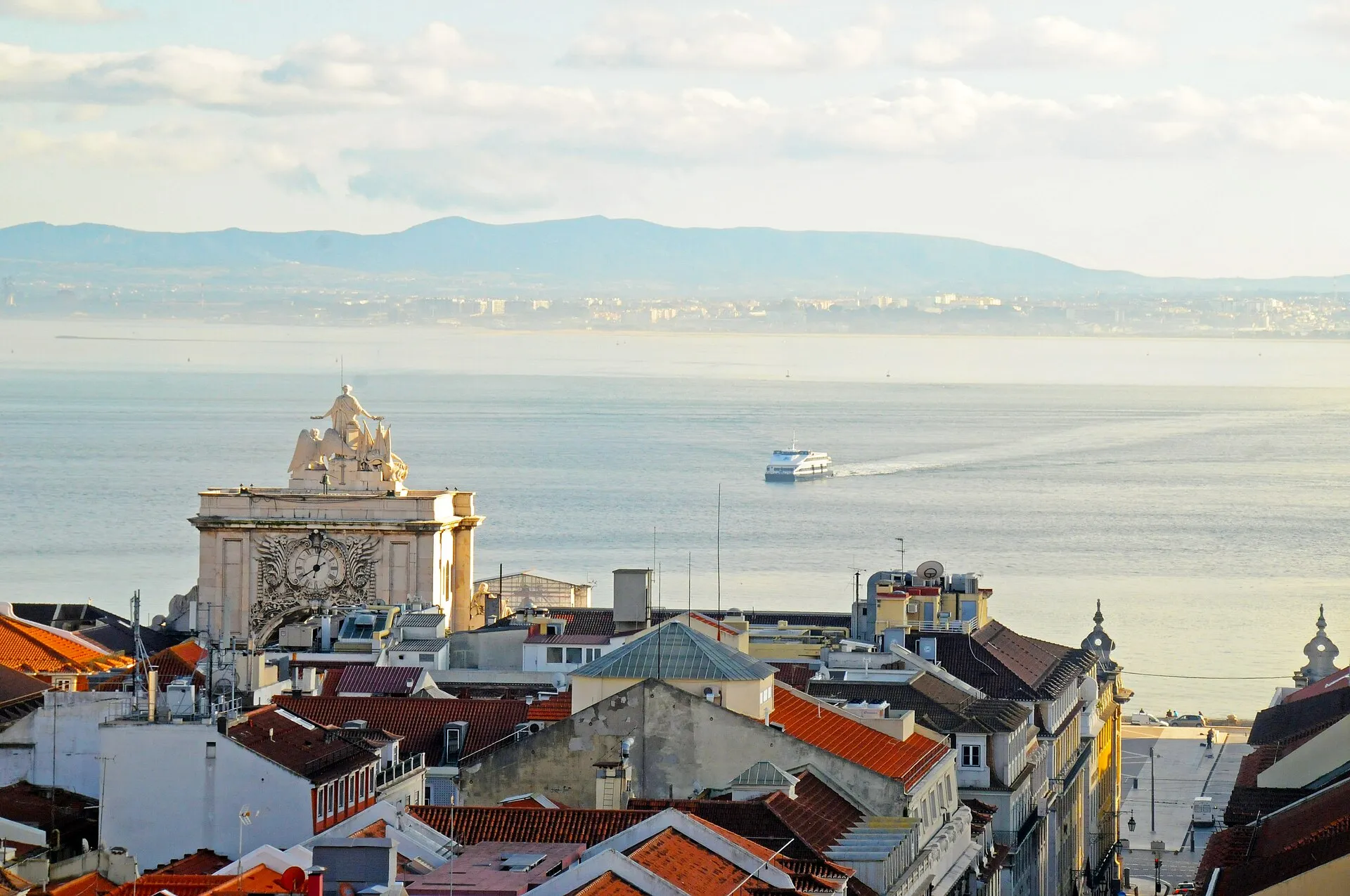
 Lisbon
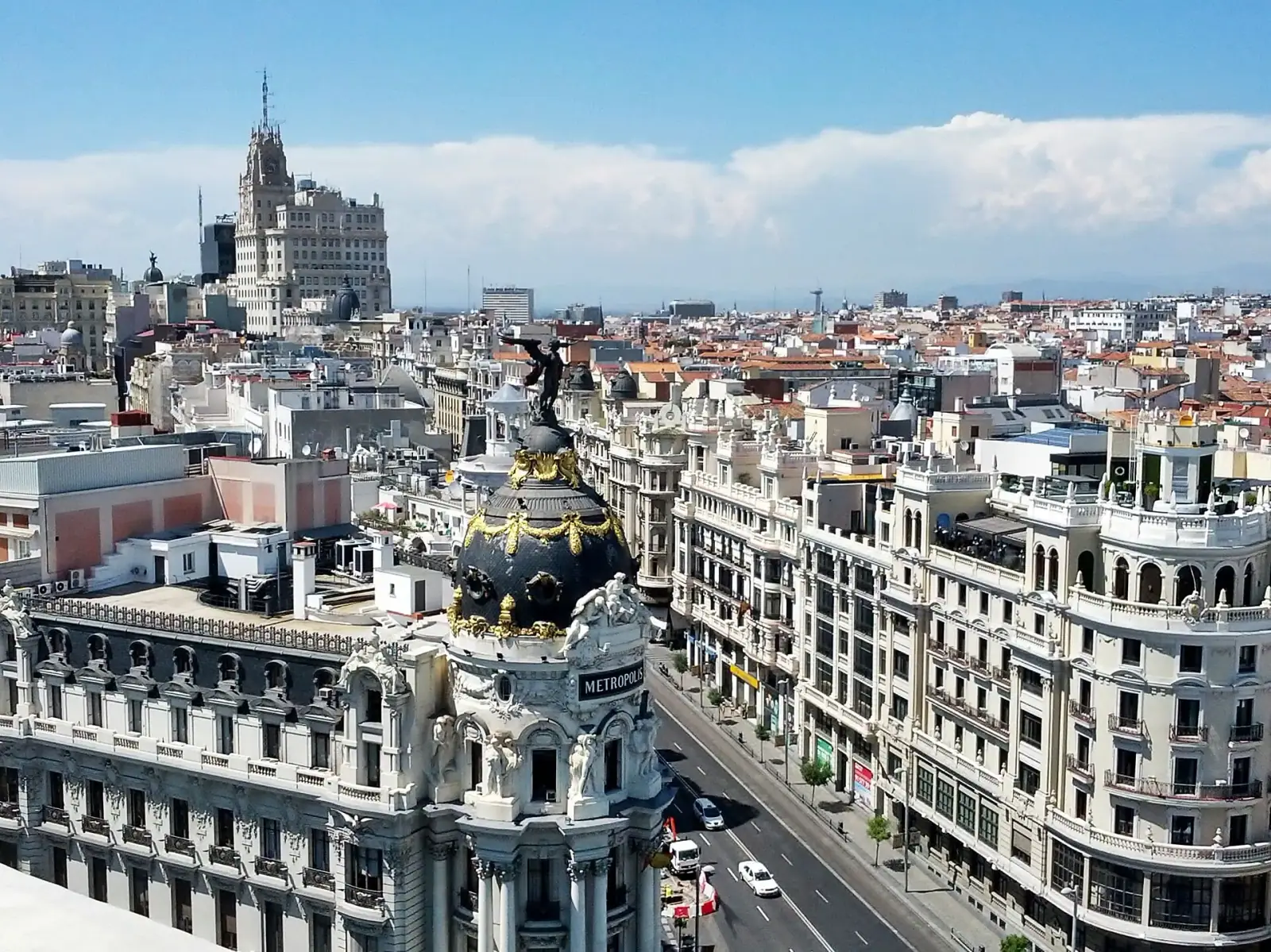
 Madrid
Most people who regret this choice were not wrong about the city. They were wrong about one thing they assumed and never checked, and each capital encourages its own. Three of those assumptions do most of the damage, and the first can catch you before you have unpacked.
Assuming Lisbon is the cheap one
Our estimate for a month in central Lisbon, in a furnished flat on a short lease, is $3,500. The same life in Madrid, a capital more than five times the size, comes to $3,200. Local tenants see the same order, at about $890 for a one-bedroom in Lisbon and about $830 on a new lease in Madrid. Part of the reason is visible from any window in Alfama: Lisbon counted about six tourists per resident in 2022, and many central houses now take in visitors instead of neighbours.
The paperwork widens the gap. Portugal's D8 visa asks for about $4,240 a month, while Spain's nomad visa asks for about $3,280. For a freelancer earning somewhere in between, that settles the matter before any neighbourhood gets a say. Our nomad visa page has the conditions for both.
Assuming a mild winter means a warm flat
On paper this one goes to Lisbon by a distance. A January day there reaches about 15°C and the night stays near 9°C. Madrid, some 660 metres up and the second-highest capital in Europe, manages 10°C and 3°C. Then November arrives in Lisbon with about 121 millimetres of rain, nearly double what Madrid gets in its wettest month, and you find out what the old building is made of. Older flats are often damp and poorly heated, and the polished calçada pavements turn slippery just when you most want to go out.
Madrid is no refuge from this. In Portugal and in Spain alike, about 16 percent of people say they cannot keep their home warm enough, nearly double the EU share. So skip the climate chart and ask how the bedroom is heated, then look at the corners of the ceiling for mould. Do that in either city. It is worth more than any average temperature.
Assuming you will not miss the sea
This is the Madrid regret, and it tends to surface in the second July, when days reach 33°C and the nights stay around 20°C. The city does have answers. Retiro gives you 1.4 square kilometres of shade, and the Guadarrama range, a national park since 2013, climbs to 2,428 metres at Peñalara. None of them is the sea.
From Lisbon, a train from Cais do Sodré runs 25 kilometres out to Cascais, past Carcavelos and Estoril. Another crosses the Tagus on the lower deck of the 25 de Abril Bridge, towards the 30 kilometres of sand at Caparica. That swim after work on a Wednesday is what Madrid cannot sell you at any price, even if the Atlantic only reaches about 20°C at its warmest.
Size and language
Lisbon is small, and the hills are real. Its metro has four lines and 44 kilometres of track, and the Glória funicular, where 16 people died in a derailment in September 2025, is not due back until 2029. Madrid's metro has 13 lines and about 297 kilometres, running until 1:30 in the morning, and you could spend a year on the bars around Plaza del Dos de Mayo alone. Nearly 30 percent of Madrid's residents were born abroad, most of them in Latin America. It is a city of arrivals, but they arrive in Spanish, and you will have a lonelier first year without it than you would in English-friendly Lisbon.
We lean towards Madrid: lower visa bar, lower bills, far more city. The sea is the one reason to overrule that, and it is a good one. Test whichever you favour in its worst month. Spend a fortnight of November in an old Lisbon flat, or a fortnight of July in Madrid, and you will know more than any list can tell you.
 United States
 United Kingdom
 Germany
 Canada
 Australia
 India