 Cartagena
The story goes like this. Cartagena is for looking at, and Santa Marta is for doing things, because Santa Marta has Tayrona: jungle running down to white beaches, a national park on your doorstep, every weekend an adventure. It is a persuasive sentence, and it needs correcting.
What happened at Tayrona in 2026
The park closed from 1 to 15 February for one of the rest periods agreed with the Kogui, Arhuaco, Wiwa and Kankuamo peoples, for whom this land is sacred. It reopened on the 16th. On that same day, blockades began at the El Zaino gate, five days after an operation against illegal building inside the park, with threats sent to staff and unofficial fees being charged at the entrances. On the 17th the government closed it again, and it did not open until 5 March. So from the start of February to the first days of March, visitors had one day, and it was not a good one. In June it shut for another fortnight. Three such rest closures a year are now the arrangement, and you should think of them as permanent.
When it is open, the doorstep is further away than it sounds. The white bus from the market takes about an hour to reach El Zaino, 34 kilometres from the centre, and then Cabo San Juan, the beach in the photographs, is another two hours or more on foot in serious heat. At Arrecifes, swimming is forbidden because of riptides. This is a wonderful place to sleep in a hammock for a night or two, a few times a year. It will not be your Saturday routine.
What Santa Marta really gives you
The true claim is better than the myth. The Sierra Nevada is the highest coastal range in the tropics, with summits around 5,700 metres only 42 kilometres from the Caribbean, and the lower slopes are close enough to use. Minca sits at 580 metres, 20 kilometres up the road, a shared van ride of 30 to 60 minutes among coffee farms and swimming holes such as Pozo Azul. No gate, no rest calendar. Leave by mid-afternoon on a Friday, because the last van up goes at around five. On a day when the city sits near 33°C, that slight lift feels like a gift, and you can do it every week.
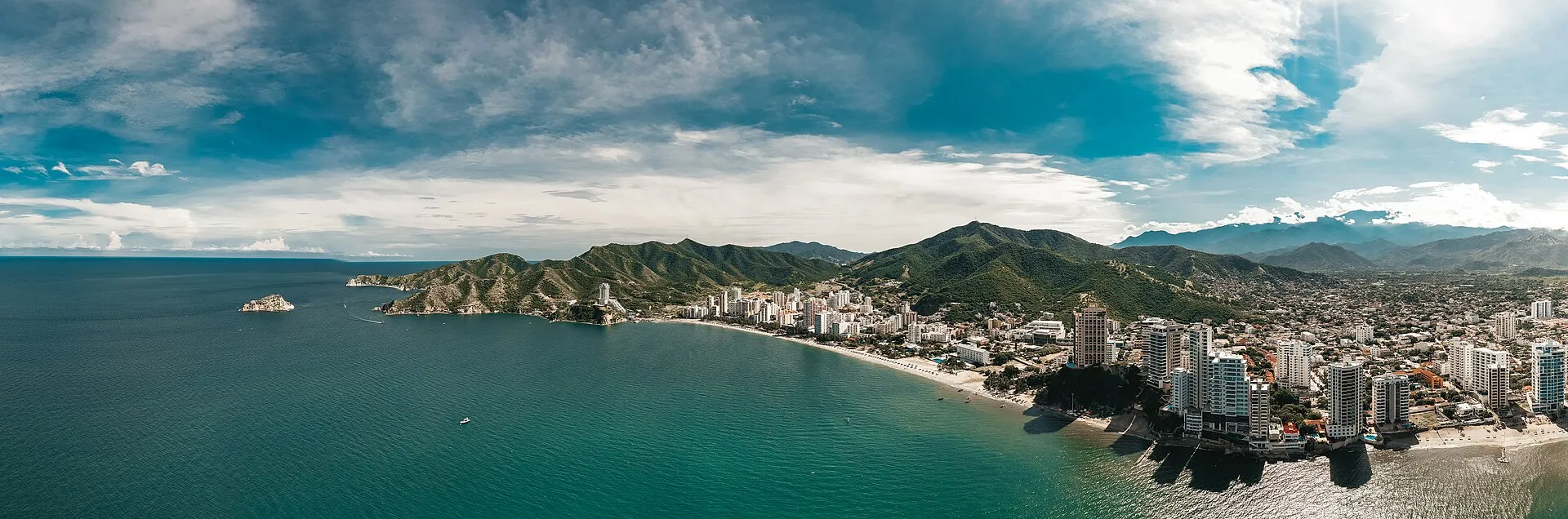
At home you will have El Rodadero's beach and its Colombian families, Taganga's bay, and a modest old centre where Bolívar's remains once lay in the cathedral. You will also have lower bills. We estimate $1,600 a month here. It rains less, too, with about 127 mm in its wettest month against about 237 mm in Cartagena's.
Cartagena as a place to live
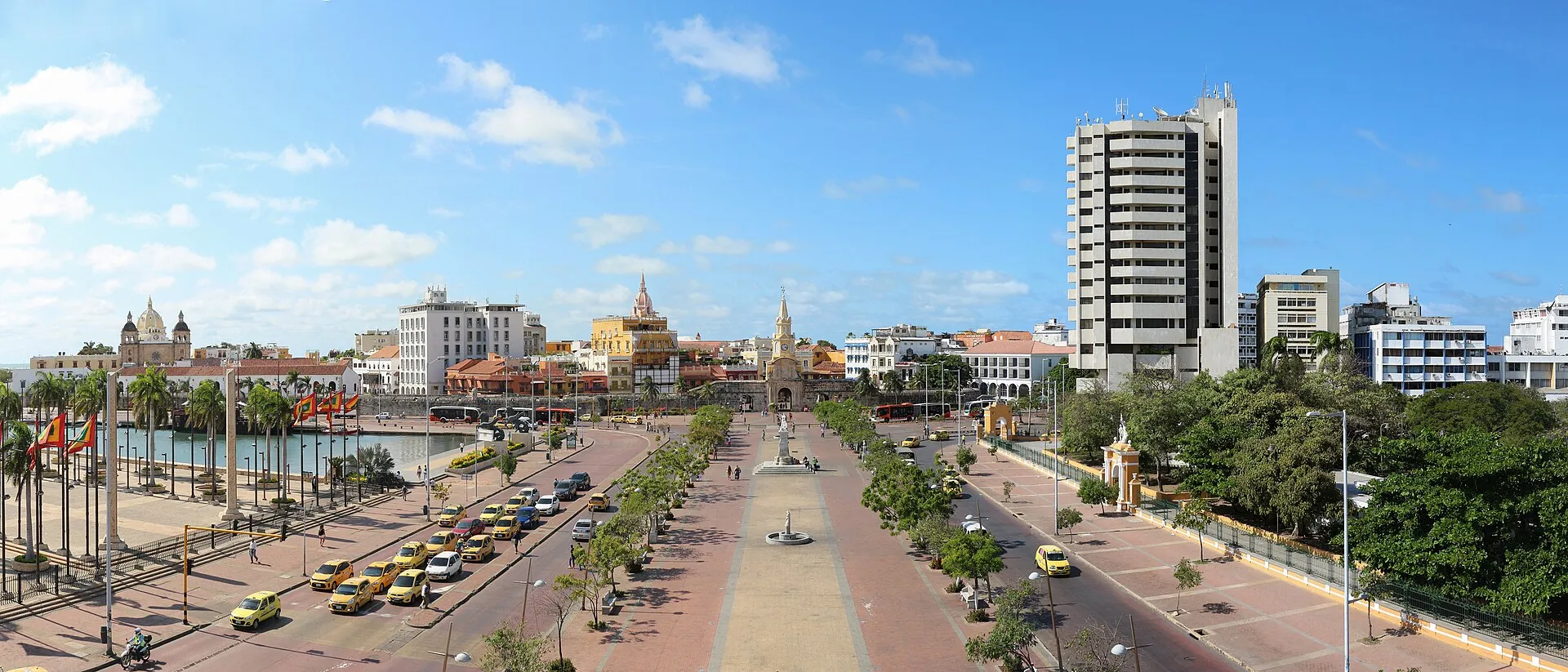
Cartagena is more than scenery you tire of. The eleven kilometres of wall, built between 1614 and 1796, do enclose a city that works as a daily address: Getsemaní for salsa at Vueltabajero and the tasting menu at Celele, Manga for quiet, Bocagrande for high-rises and coworking at TuWork. The Rosario Islands, a protected coral park about 20 kilometres offshore, supply the clear water that the city's own coast lacks. Budget about $2,000 a month, and expect to pay it partly in patience, as the walled city's vendors do not tire.
The biggest practical difference is one nobody puts in the story. Cartagena's airport has direct flights to Miami, New York, Atlanta and Madrid, among others. Santa Marta has the shortest runway of any international airport in Colombia, and Copa to Panama City was the only foreign airline listed there. If you go home twice a year, this is worth more than a beach.
Colombia's digital nomad visa asks for $1,640 a month in either city, so the law does not separate them. Our advice is to take Cartagena for your first stay, particularly if flights matter. Should the heat be what worries you, the cooler inland alternative is covered in Medellín and Cartagena. Take Santa Marta if Minca is the attraction. Just do not sign a lease there for the sake of Tayrona, which can shut its gates on you at a day's notice.
 United States
 United Kingdom
 Germany
 Canada
 Australia
 India