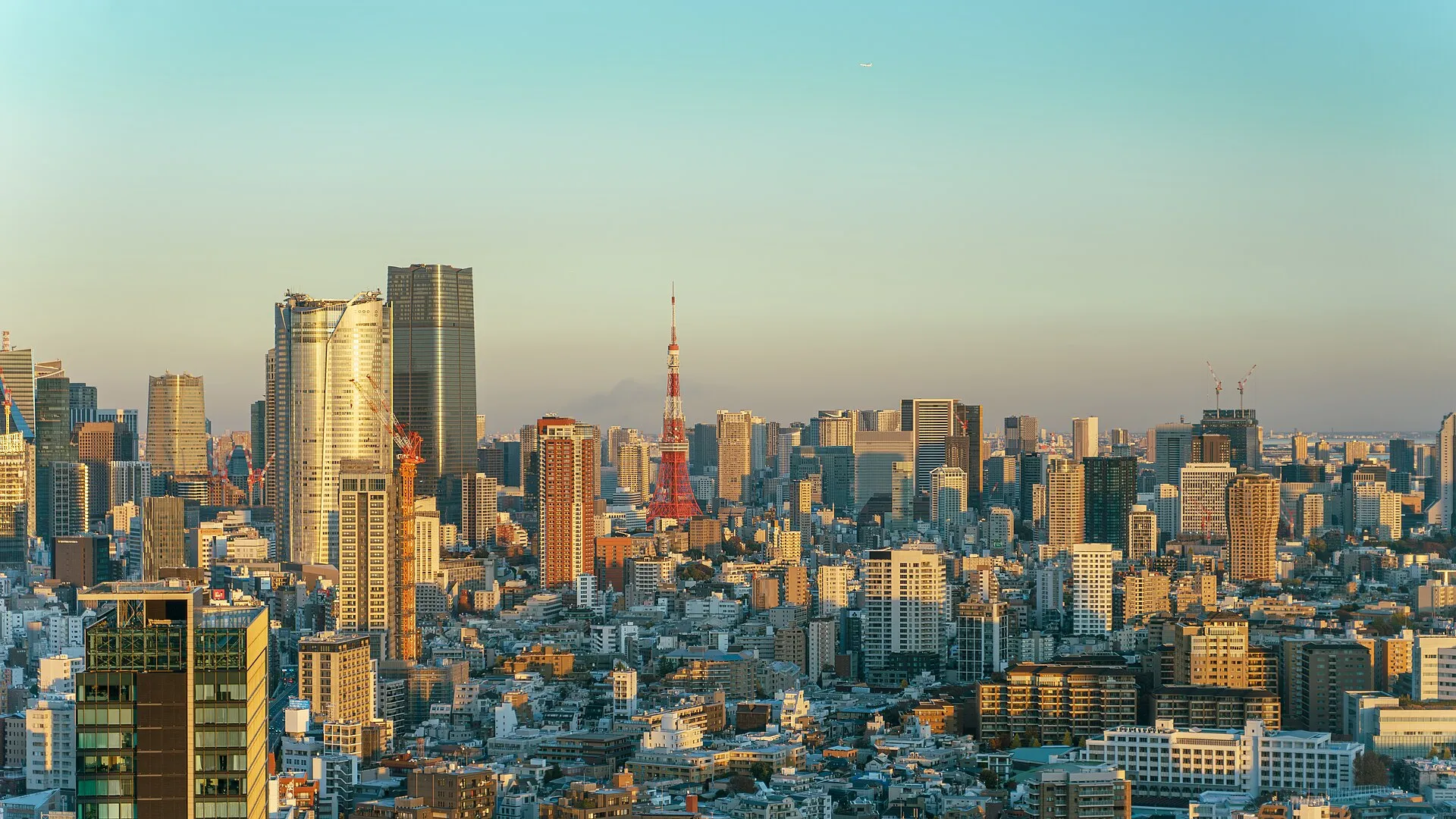
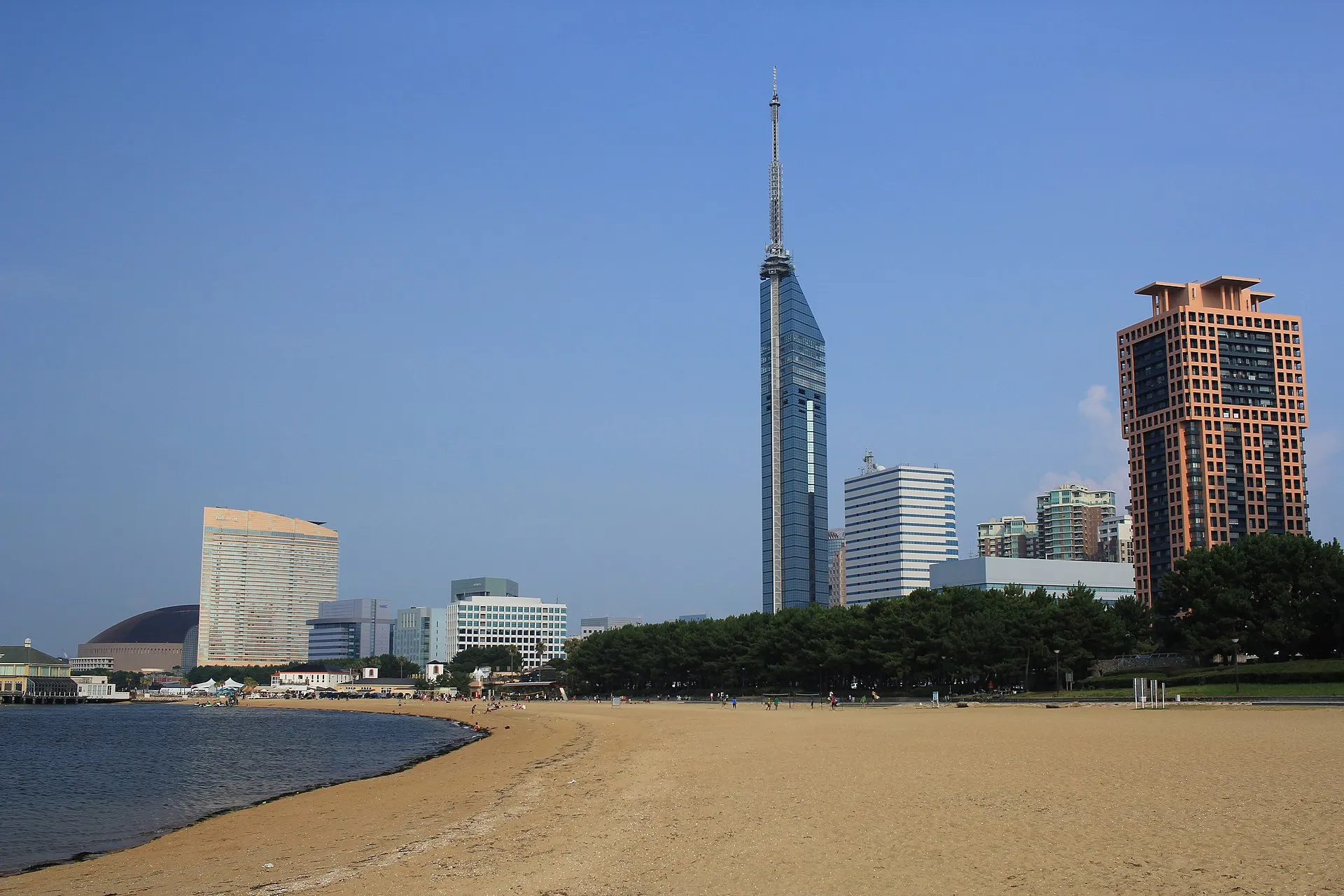
Tokyo Fukuoka
Head to head
Tokyo vs Fukuoka

Tokyo vs Fukuoka: Which Is Better for Digital Nomads?

Overall: Tokyo edges ahead, 8.7 to 8.3

Take away the visitors. Imagine an ordinary wet Tuesday in February, no cherry blossom, no festival, nobody photographing anything, and ask who is left in each city. Those are the people you will be living among, and they are a better guide to this choice than any list of neighbourhoods.

Who stays in Tokyo

Tokyo holds about 14.25 million people, and most of the day they are in motion. The three central wards, Chiyoda, Chūō and Minato, have more than seven times as many people in them by day as they do at night, so the streets around Tokyo Station go quiet once the office crowd has gone home. You are likely to live out along a rail line, among families and commuters, with your local shops and bathhouse and no real reason for anyone to learn your name.

You will not be the only foreigner, though the number may surprise you. Tokyo had 783,701 foreign residents in January 2026, more than the whole population of many capitals. Nearly 300,000 came from China, followed by South Korea, Nepal, Vietnam and Myanmar. These people have come to live and work, and the city has room for every kind of community inside that. In Tokyo you can find your group, however specific it is. The catch is that you have to go and find it, sometimes an hour away by train.

Who stays in Fukuoka

Fukuoka has about 1.6 million people, and it is often called Japan's youngest major city. Between 2015 and 2025, it led all of Japan's big designated cities in population growth, in a country whose population is falling. A Development Bank of Japan survey found the number of people in their twenties within two kilometres of the centre up 21 percent in a decade. Kyushu University and a run of private universities bring in students, nearly 10,000 of them from abroad each year across the area.

The other group is founders. The city was made a National Strategic Zone for startups in 2014, offers a startup visa and has Japan's highest rate of new business openings. Foreign residents are rising quickly too, with 123,731 in Fukuoka Prefecture in January 2026, up 11 percent in a year. That is still a small community, so English runs out faster than in Tokyo, and you may see the same faces at the same events. We count that as an advantage.

You will see these people on a February night in Daimyo's small lanes, or at one of the yatai food stalls along the river in Nakasu and Tenjin. There were about a hundred of those left in 2018, after decades of decline. The city has since relaxed the old rule that a stall must pass to a relative or close, and it has begun issuing new licences.

The one number they share

Here is an oddity in the costs. At local prices, food, transport, phone and everything except rent comes to about $870 a month in both cities. Nearly the whole gap is housing: a local tenant's one-bedroom on a new lease runs about $960 in Tokyo and about $500 in Fukuoka. Our estimate for a remote worker in a furnished flat is $4,000 a month in Tokyo and $2,800 in Fukuoka. Your ramen is no cheaper in the south. You are simply paying $1,200 less for a place to sleep.

The weather will not help you choose. January reaches about 10°C in both, and August is 31°C in Tokyo and 32°C in Fukuoka. Fukuoka's rainy season lasts about six weeks in June and July, and typhoons are most likely in August and September.

Getting away from each

Fukuoka's airport is 3 kilometres from Hakata Station, about ten minutes from downtown by subway, though a curfew shuts it from 10 p.m. to 7 a.m. Busan is about 180 kilometres off. Tokyo is about five hours away by Nozomi, covering 1,069 kilometres of track.

That train suggests the plan. Japan's nomad visa asks for about $5,260 a month in income and gives you six months with no extension, the same in either city. So do not spend them all in one place. Take four months in Fukuoka, where you will know people by the second, and then go north for the last two, when you can order in Japanese and the rent has an end date. Tokyo is at its best for someone who is leaving soon.

Tokyo vs Fukuoka: side by side

All 13 categories we rate, each out of 10. Green is strong, amber is middling, red is weak.

TokyoFukuoka
6 Climate 7
3 Cost of living 6
7 WiFi 8
8 Nightlife 7
5 Nature 6
10 Safety 9
10 Food 9
6 Community 6
5 English 4
7 Visa 7
10 Culture 7
10 Cleanliness 9
7 Air quality 7

Tokyo and Fukuoka at a glance

877 kmapart in a straight line
Same timein January
$1,200a month less in Fukuoka
Population, urban areaTokyo35,676,000Fukuoka2,792,000
ElevationTokyo37 mFukuoka8 m
Time zoneUTC+9in both
Nearest airportTokyoTokyo Haneda International Airport (HND), 19 kmFukuokaFukuoka Airport (FUK), 5 km
Main languageJapanesein both
CurrencyYen (¥, JPY)in both
PlugsType A/B, 100V / 50-60Hzin both
Tap waterSafe to drinkin both
Emergency number110in both
TippingNo tippingin both
Ride-hailingGO, Uberin both
In the Schengen areaNoin both

Population is the Natural Earth figure for the urban area around each city, elevation from the Copernicus height model, airports from OurAirports.

Where they differ most

The three biggest gaps between the two, in the words of each city guide.

Cost of living

Tokyo

Tokyo runs around 2,500-3,500 USD per month for a comfortable nomad lifestyle: a private room or small studio costs 800-1,400 USD, coworking hot desks average 200-350 USD, and restaurant meals range from 6 USD ramen to 25 USD izakaya dinners. Grocery staples are very affordable.

Fukuoka

Fukuoka is the most affordable major Japanese city for digital nomads. A comfortable monthly budget runs $1,000-1,270, covering a central studio apartment ($365-530), groceries, regular dining out at local restaurants, coworking, and subway transport.

Culture

Tokyo

Tokyo blends ultra-modern innovation with deep traditional culture. Buddhist temples and Shinto shrines sit beside futuristic skyscrapers. Concepts like omotenashi (selfless hospitality), public quiet, and punctuality shape daily life. Removing shoes indoors, queuing in orderly lines, and keeping voices low on trains are social norms visitors should follow.

Fukuoka

Fukuoka has a distinct local identity separate from Tokyo, with a reputation for being relaxed, food-obsessed, and proud of its Hakata roots. The city blends modern infrastructure with traditional festivals like Hakata Gion Yamakasa (July) and a preserved yatai culture unique in Japan.

Climate

Tokyo

Tokyo has four distinct seasons: mild cherry-blossom springs (March-May), hot and humid summers peaking in August around 35C, comfortable dry autumns with vivid foliage (October-November), and cool winters rarely dropping below freezing. The best months for working nomads are April-May and October-November.

Fukuoka

Fukuoka has a temperate humid climate with four distinct seasons. Spring (March-May) and autumn (October-November) are the most comfortable, with mild temperatures and low rainfall. Summers are hot and humid with a rainy season in June-July and typhoon risk in August-September.

From the score notes in the Tokyo and Fukuoka guides, where each one is explained in full.

Month by month: the weather

Each bar runs from the average daily low to the average daily high. Rain is below.

TokyoFukuokaScale runs from 1C to 32C, rain up to 301 mm
See the numbers
TokyoFukuoka
Jan10C / 1C, 60 mm10C / 4C, 75 mm
Feb11C / 2C, 57 mm12C / 5C, 69 mm
Mar14C / 5C, 116 mm15C / 7C, 106 mm
Apr19C / 10C, 134 mm20C / 11C, 119 mm
May24C / 15C, 140 mm24C / 16C, 134 mm
Jun26C / 19C, 168 mm27C / 20C, 248 mm
Jul30C / 22C, 156 mm31C / 25C, 301 mm
Aug31C / 24C, 155 mm32C / 25C, 214 mm
Sep28C / 20C, 225 mm29C / 22C, 175 mm
Oct22C / 15C, 235 mm24C / 16C, 96 mm
Nov17C / 9C, 96 mm18C / 11C, 92 mm
Dec12C / 4C, 58 mm13C / 6C, 68 mm

Tokyo: weather-station averages for 1991-2020. Fukuoka: weather-station averages for 1991-2020.

What a month costs

Tokyo$4,000
Fukuoka$2,800

What residents pay

TokyoFukuoka
$962 One-bedroom rent $496
$340 Groceries $340
$143 Eating out $143
$133 Utilities $133
$100 Local transport $100
$43 Home internet $43
$45 Phone $45

Our own estimate for a comfortable month for one remote worker, the same figure the city guides use. The lower lines are local prices: rent from the official statistics office named on each city guide, the rest from World Bank price levels.

Entry rules for common passports

Tourist entry on arrival. Every passport is in the visa finder, and remote-work visas are on the nomad visa page.

United States
Visa-free, 90 daysin both
United Kingdom
Visa-free, 90 daysin both
Germany
Visa-free, 90 daysin both
Canada
Visa-free, 90 daysin both
Australia
Visa-free, 90 daysin both
India
eVisain both

Where you would live and work

The areas people choose in each city, and some of the places they work from.

Tokyo

Neighbourhoods

  • ShibuyaTokyo's trendy heart where fashion meets tech
  • ShimokitazawaTokyo's bohemian village with vintage soul
  • NakameguroCherry blossoms and coffee culture by the canal
  • ShinjukuNeon-lit chaos and the busiest station on earth
  • KoenjiTokyo's punk rock neighborhood with community soul

Places to work

Basis Point Nishi-Shinjuku.andwork ShibuyaCASE ShinjukuDIAGONAL RUN TOKYOFuglen Tokyo
More on the Tokyo guide →
Fukuoka

Neighbourhoods

  • TenjinFukuoka's stylish shopping center
  • NakasuFukuoka's neon-lit entertainment island
  • HakataFukuoka's historic station district
  • Ohori Park AreaFukuoka's peaceful green escape
  • DaimyoFukuoka's trendy boutique quarter

Places to work

Engineer CafeWeWork Tenjin Brick CrossCo-working and Co-learning Space QThe Company Hakata Canal CityManu Coffee Kujira
More on the Fukuoka guide →

Services in a language you speak

Providers in our directory who work in a language other than the local one, from official registers, consular lists and the providers’ own websites.

Where each city wins

Tokyo is stronger on

CultureNightlifeSafetyFoodEnglishCleanliness
Tokyo guide →

Fukuoka is stronger on

Cost of LivingClimateWiFiNature
Fukuoka guide →

Add a third city in the comparison tool →

Frequently asked questions

Is Tokyo or Fukuoka cheaper for digital nomads?

Fukuoka is the cheaper base, around $2,800 a month versus $4,000 in Tokyo, a difference of about $1,200.

Which has better WiFi, Tokyo or Fukuoka?

Fukuoka scores higher for WiFi (8/10 versus 7/10).

Which is safer, Tokyo or Fukuoka?

Tokyo rates higher on safety (10/10 versus 9/10).

Tokyo or Fukuoka: which is better overall for remote work?

Tokyo takes the overall Nomad Score (8.7/10 versus 8.3/10), though the right pick depends on what you value most.