 Santiago
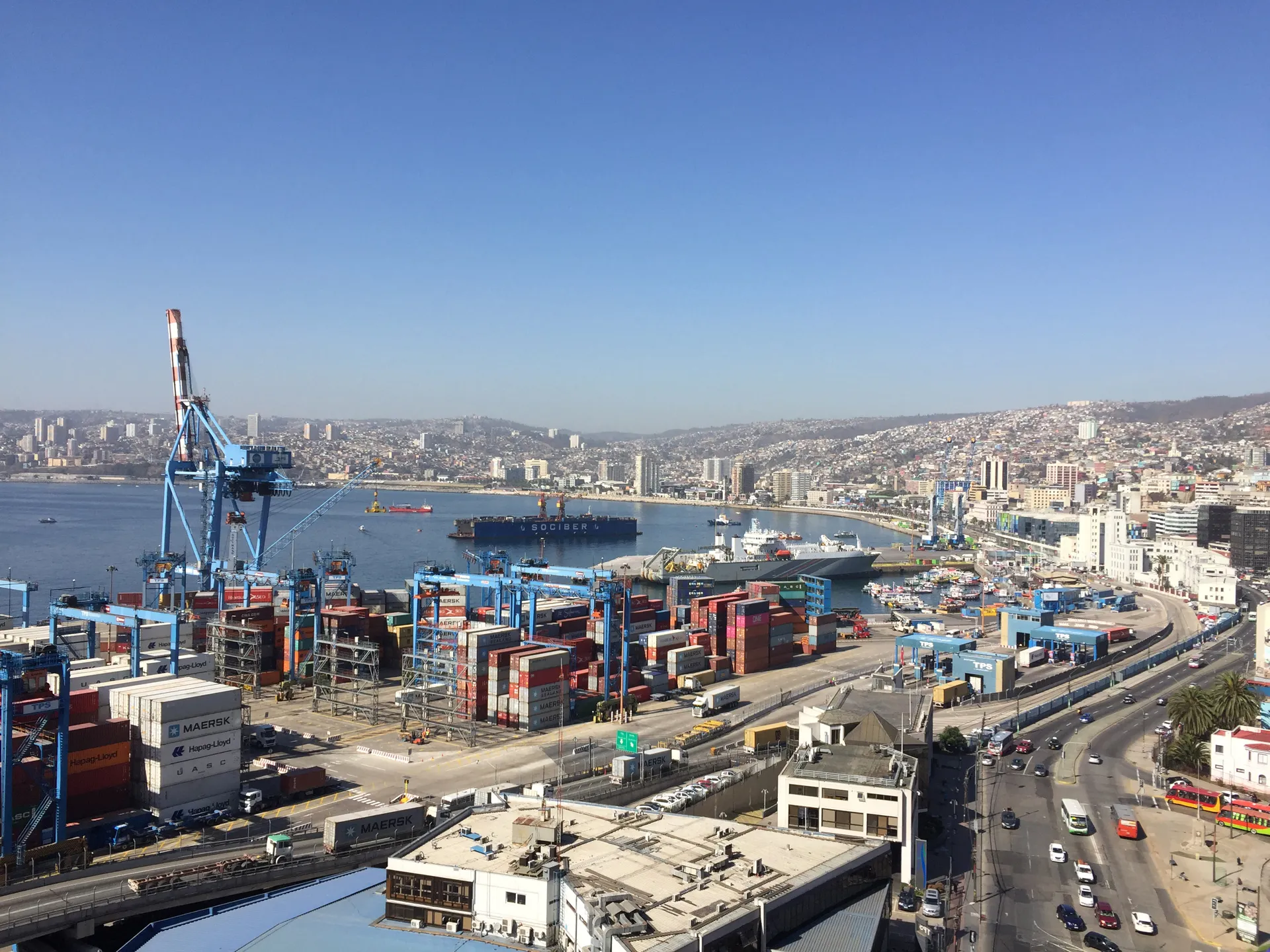
In Valparaíso, the plan is a place. El plan is the thin flat strip between the bay and the hills, where the port, the banks and the trolleybuses are. Everything above it is cerro, and people give their address by naming a hill: Alegre, Concepción, Bellavista. It is a neat way into this choice, because the other kind of plan, the kind you make on Sunday for the week ahead, is what Santiago does better than almost anywhere in South America, and Valparaíso does badly.
A week with appointments in it
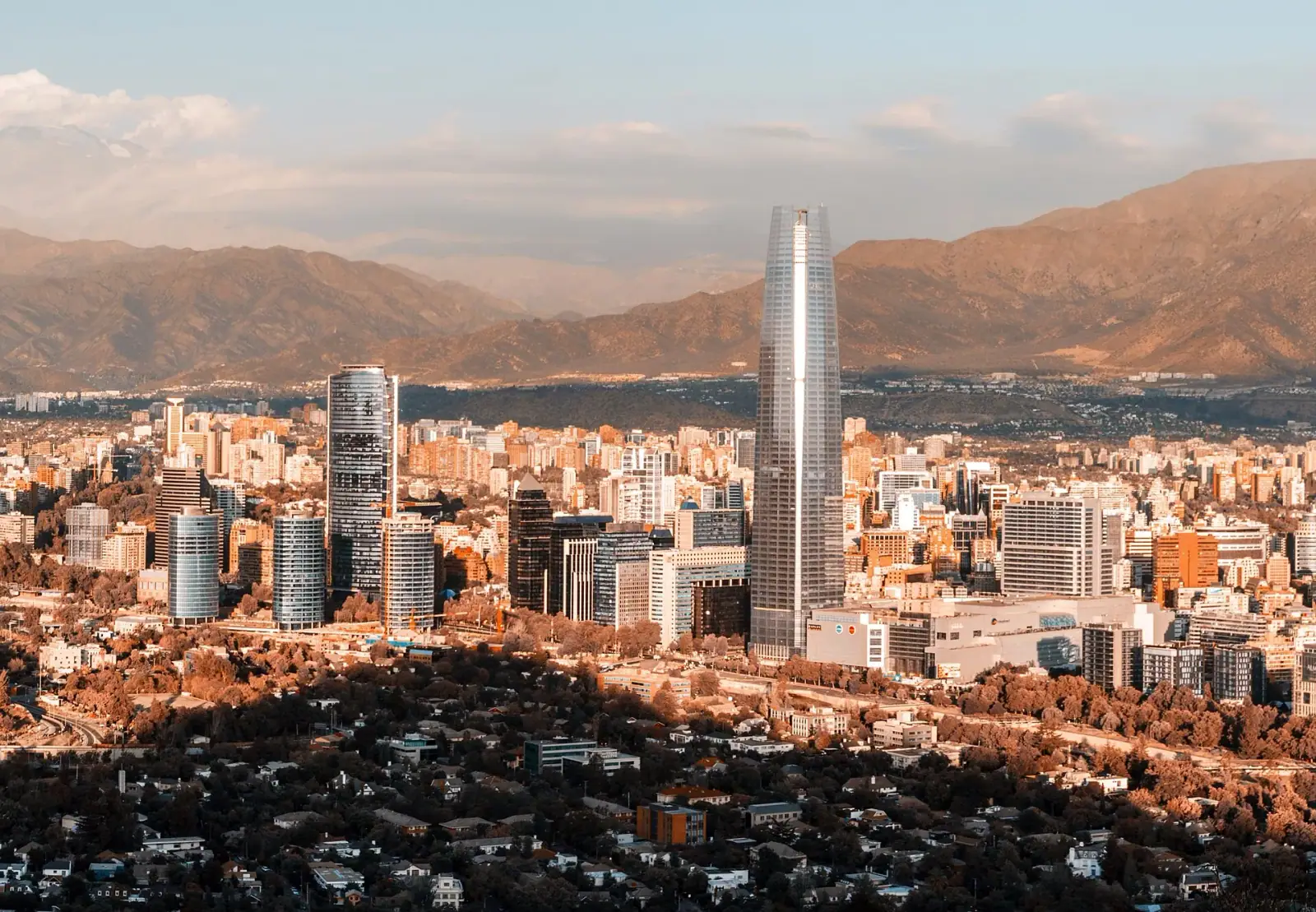
Santiago holds more than a third of Chile's people and most of its money, and it runs like it. The metro has seven lines, 143 stations and about two million riders on a weekday, so a flat in Providencia or Barrio Italia gets you across the city without much thought. Santander's Work Cafés let anyone sit and work for the price of a coffee. Home fibre is cheap, and the country's main airport is close by. We put a month at $2,400, which buys you a place where things happen when they said they would.
Valparaíso's flat strip has its own charm as a transport system. Trolleybus routes 801 and 802 still run between Barón and Aduana on Swiss vehicles from 1989, though never on Sundays. To get home you need one of the ascensores, the funiculars that made the city famous. There were once as many as 30. Sixteen survive, all but one of them national monuments, and only about half are running at any moment, so a route that worked in the listing may turn into a long staircase with your shopping. Ask which lift serves the flat, then go and see whether it is moving. Internet in old houses on the hills is also patchy, so test it before you pay.
Two Januaries, two Julys
Santiago's weakness is its bowl. The valley is closed in by the Andes and the coastal range, and in winter the smog sits inside it, sometimes thick enough to take the mountains away from your window. Then in January it reaches 30°C by day and the city half empties for the coast.
The people leaving are headed for the same Pacific that gives Valparaíso a January high of about 20°C and fog off the Humboldt Current. It is a superb place to spend the summer. Winter is the reverse: the wettest month brings over 100 millimetres, and the old houses were not built to hold heat.
What the hills ask of you
The city's beauty is also a record of decline. The Panama Canal took its shipping after 1914, and the houses on Alegre and Concepción, part of a historic quarter on UNESCO's list since 2003, outlived the trade that paid for them. Murals, La Sebastiana (Neruda's house, the sibling of La Chascona in Santiago's Bellavista) and the view of the bay from any stair are real rewards. A central one-bedroom on those two hills runs only $375 to $485, and a whole month comes to about $1,800 on our figures.
Two things should shape which hill you take. Street theft is a real concern after dark, especially away from the visited cerros, so take a car home at night. And the upper hills burn: a 2014 fire destroyed about 2,800 homes and killed 16, and the fires of February 2024 in the region killed at least 131. Stay low on the hill, near the listed quarter, and away from the ravines.
The road between them
Do not plan around a train. Passenger service ended in 1992, a tender for a new line was postponed in 2025, and in April 2026 the transport minister said the fast-train project never existed as such, though a consortium was still talking in June. What you have is the bus along Route 68 through the Casablanca vineyards, about 90 minutes. From Valparaíso, budget two hours each way to the airport.
That bus makes the answer easy for most people: keep your base in Santiago and take a room on Cerro Alegre for January and February. A move in the other direction needs one more test. Ride over on a weekday in July and stand inside the flat you liked in summer, with the heating off. Do you still want it?
 United States
 United Kingdom
 Germany
 Canada
 Australia
 India