 Rio de Janeiro
The story people tell goes like this. Rio is thrilling and will rob you. Florianópolis is the sensible Brazil: safe, cheap, a surf island where you can actually get work done. So the responsible thing is to go south and visit Rio for a weekend. Some of that holds up, and some of it will cost you money and a cold July.
Crime
This part is broadly true, with a smaller gap than you might assume. The latest ranking of Brazilian capitals, built on 2025 death records from the health ministry, puts Florianópolis first with 11.46 homicides per 100,000 people. Rio de Janeiro is at 25.39, more than double, but that is still 13th safest among the capitals, ahead of many cities that never make the news abroad.
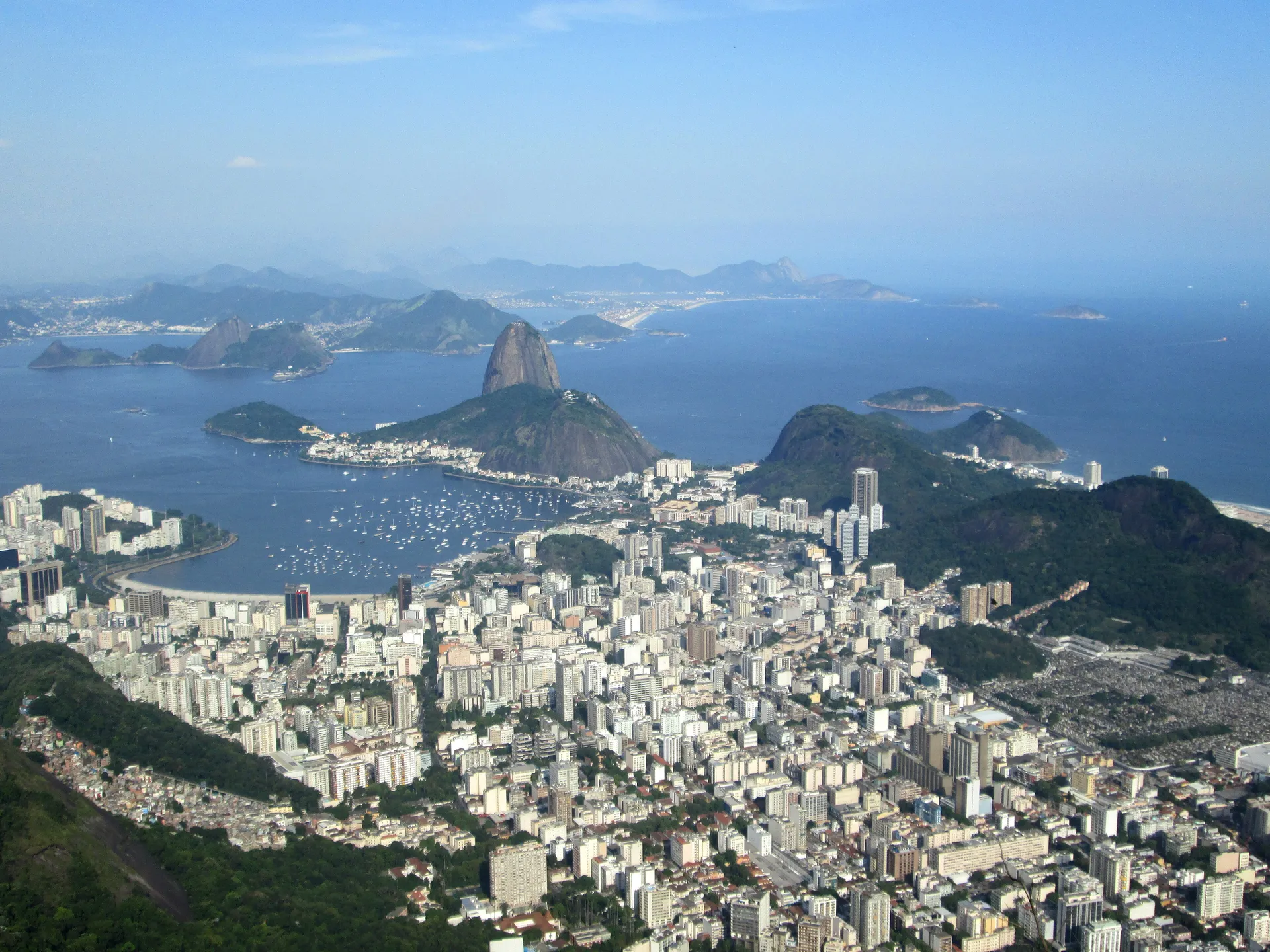
What makes Rio's reputation is real, and it is also somewhere else. On 28 October 2025, police went into the Alemão and Penha favelas in the North Zone, and well over 100 people died in a single operation. About a fifth of the city lives in favelas, and about one killing in five is by the security forces. A visitor renting in Botafogo or Ipanema, with Sugarloaf or the beach at the end of the street, is on the far side of the city from that and largely insulated from it.
What you will meet is theft. Copacabana in particular has a well-earned name for it, so keep your phone out of your hand near the kerb, take a car home late, and do not carry on to the beach anything you would miss. Those are habits you can learn within a week. In Floripa you will think about it far less, and that freedom is worth something.
Price
Here the story is backwards. On our estimate Rio comes to about $1,600 a month and Florianópolis to about $2,000. A city of 6.7 million has housing at every level, while a sought-after island city of 537,000 does not. Brazil's nomad visa asks the same of you in either place, $1,500 a month in income or $18,000 in savings, so that $400 is pure lifestyle.
Getting around
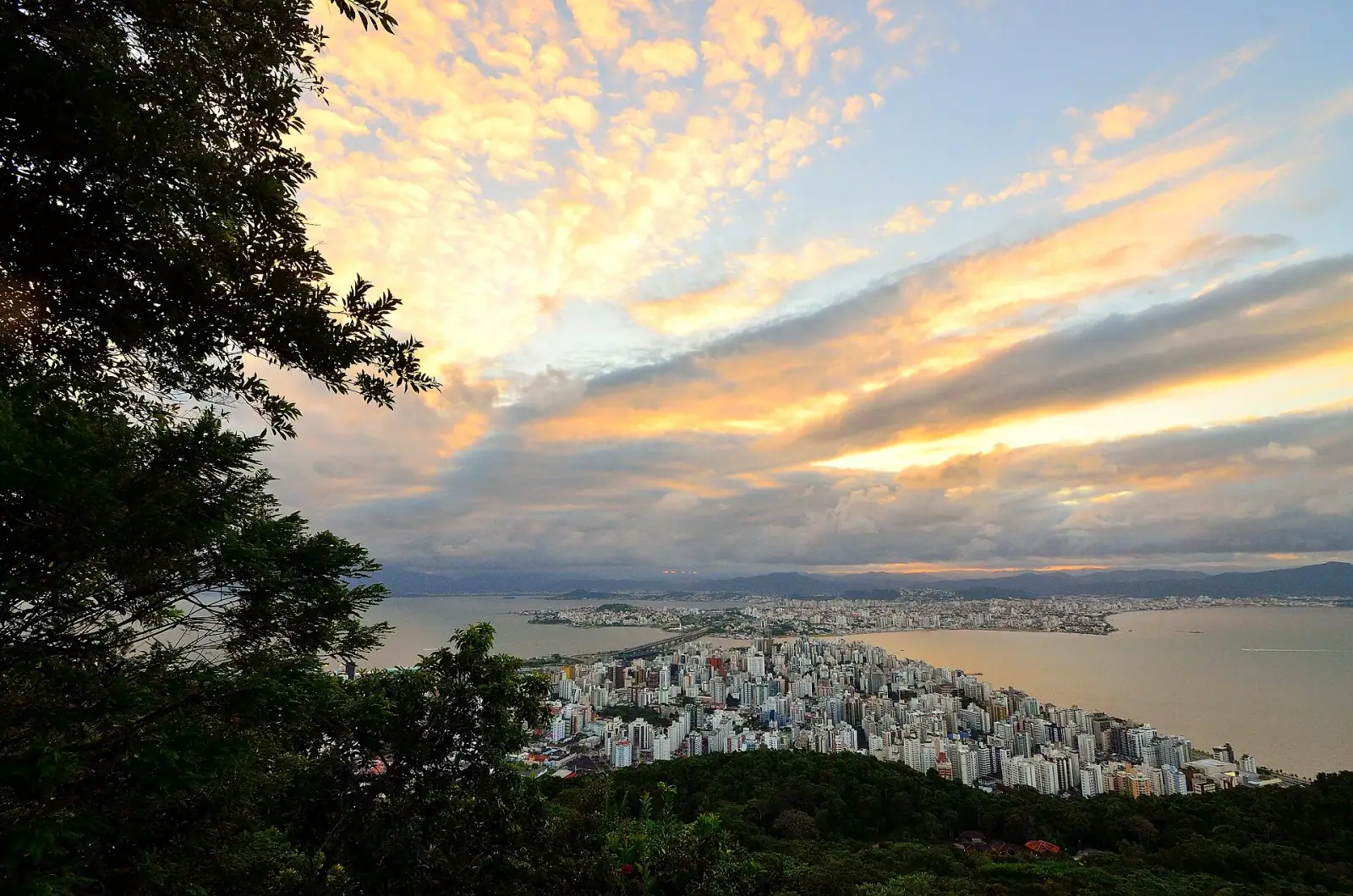
"Island" suggests something small. Floripa's beaches are spread across the length of it, three bridges carry everything to the mainland, and you will not walk between neighbourhoods. Lagoa da Conceição, with its lakeside restaurants and the sandboarding dunes towards Joaquina, is where many foreigners start, and the road around it jams. Campeche, with its surf and Sandbox Coworking nearby at Rio Tavares, may be the better bet, as long as you pick one and stay put. In Rio, a metro runs through Copacabana and Botafogo, coworking clusters in the same few districts, and home fibre is fast. You could go from your desk to the sand in the time it takes a Floripa bus to reach the next bay.
Winter
This is the part of the story nobody mentions. Florianópolis has the climate of Brisbane, and no dry season. Summer days hit 30°C, with January the wettest month at around 243 millimetres. In July, highs are 21°C and nights about 13°C, and penguins sometimes turn up near Barra da Lagoa. That is lovely for hiking and it is the wrong image if you packed for Brazil. Rio in July reaches about 25°C in sunshine, which many people find the best weather it has. Its summer, though, is hot and heavy with rain.
Where we land
We would send most remote workers to Rio, to Botafogo, from May to October, because the city gives you more for less money and the risk is mostly a matter of habit. Floripa earns its extra $400 for anyone who wants to surf before work and not plan their walk home, and for beach life it is at its best from November to April, once you accept the crowds. Should the island appeal more for its tech scene than its beaches, read our comparison of Florianópolis and São Paulo before you book. Then pick your month first. In Brazil, that decides more than the safety ranking does.
 United States
 United Kingdom
 Germany
 Canada
 Australia
 India