 Phuket
Learn one Thai phrase before choosing between these two: ruea hang yao, the long-tail boat. It is a narrow wooden hull with a car or truck engine bolted to a pole, and a propeller on the far end of the pole that the boatman swings in and out of the water by hand. You hear them before you see them. In Krabi, they are public transport. Ao Nang's beach is lined with them, and Railay, the peninsula with the climbing walls, cannot be reached any other way, because limestone cliffs cut it off from the road.
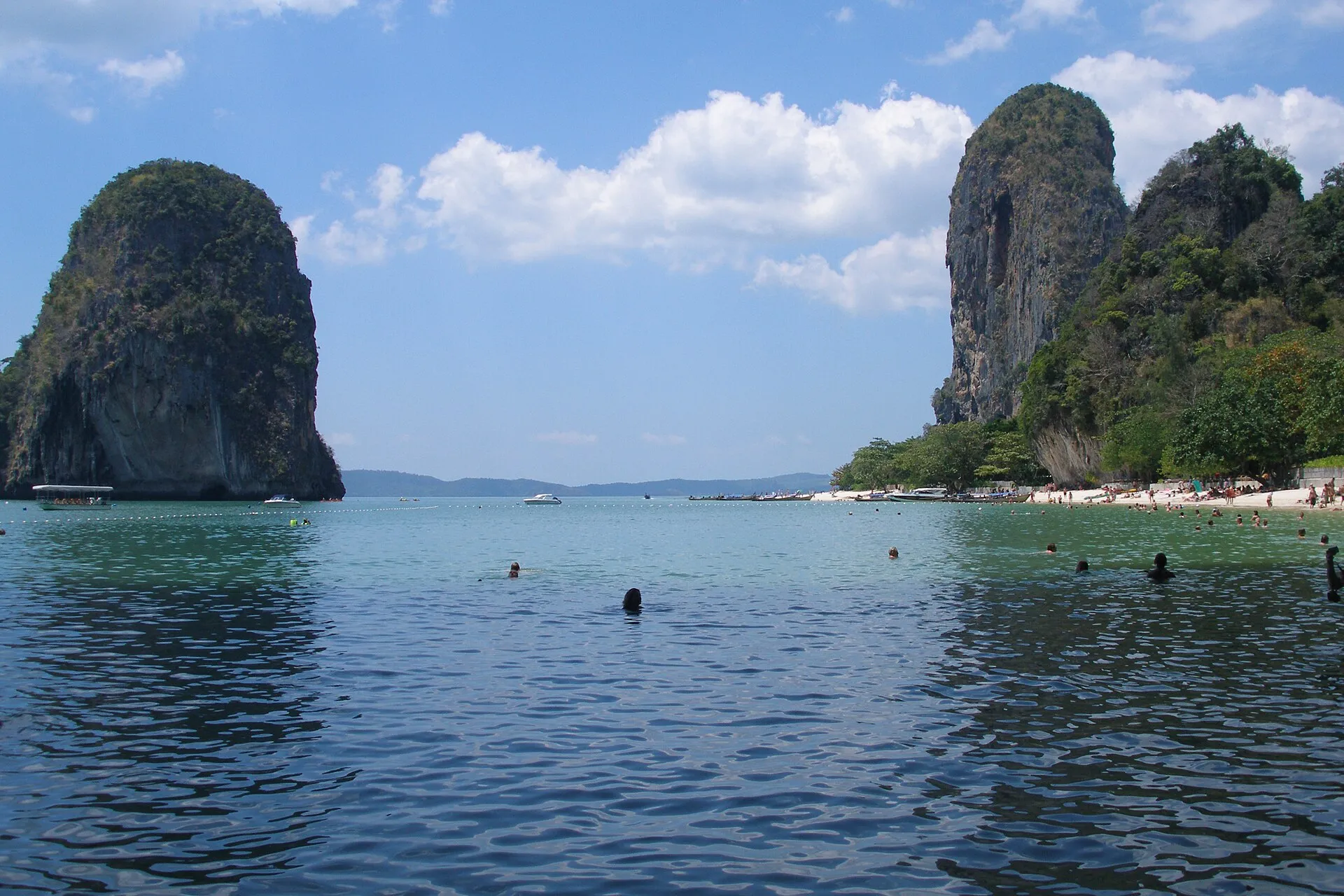
That is the whole personality of the place. The province has 154 islands and a coast of karst towers rising from green water, and its main town has about 32,000 people. Your best days there begin with a man, a boat and a price agreed on the sand. Your worst days are the same, in the wet months from June to October, when the sea gets up and the boats to Railay and the islands sometimes do not run.
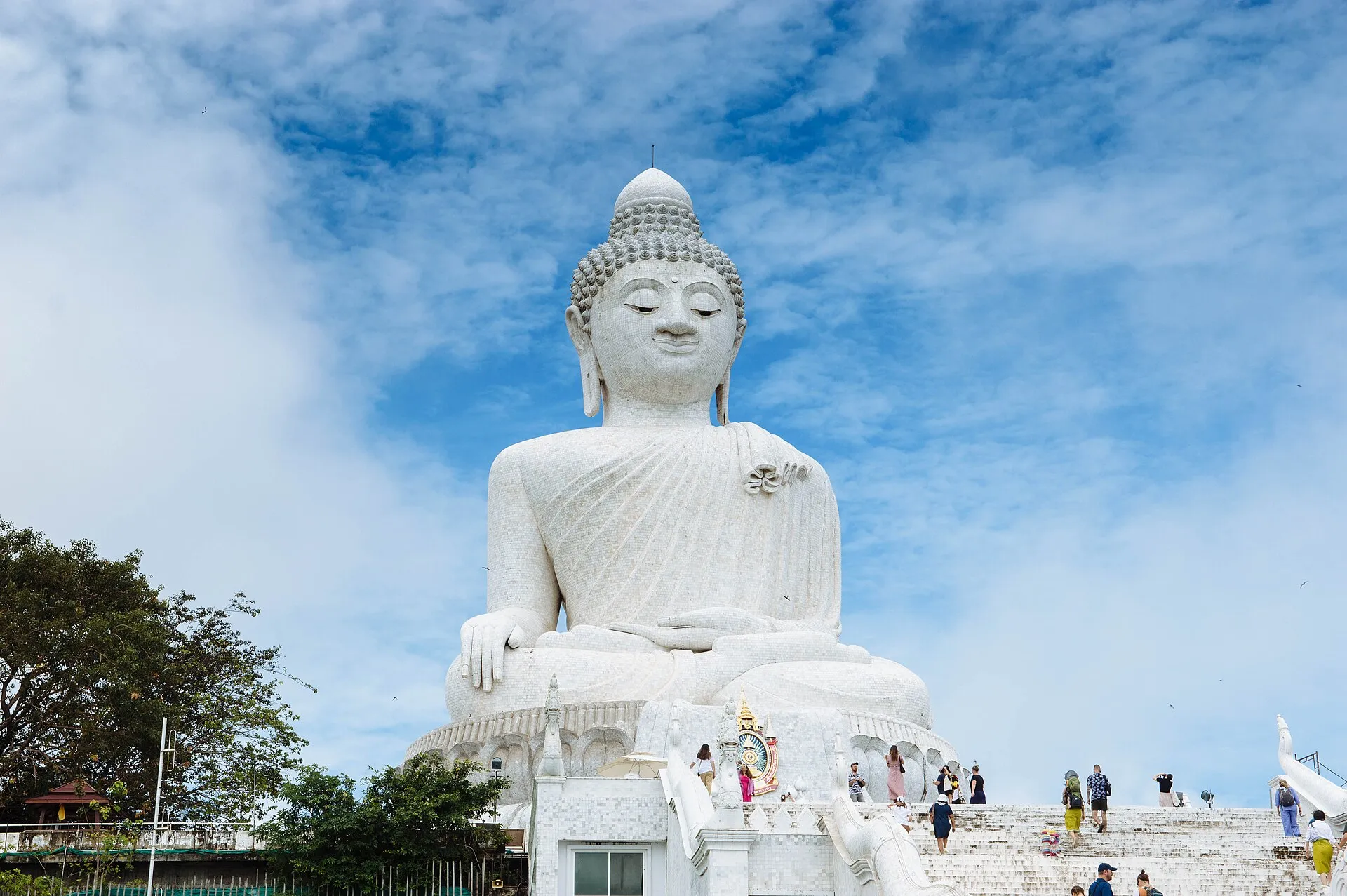
Phuket has long-tails too, but it has not depended on them since the Sarasin Bridge opened in 1967. Nothing about life there needs a calm sea. The island is Thailand's largest, with the country's third-busiest airport and Bangkok Hospital Phuket. It has a run of coworking spaces in Kathu, Chalong and Rawai, and an old town of narrow Sino-Portuguese shophouses built on tin money, far nicer than Patong's reputation suggests. It is a place that keeps working in bad weather.
Roads, care and cost
Phuket's drawback is its roads. The island runs roughly 50 kilometres by 20, it has no rail, and the long-promised tram is not now expected before 2030, so you will either ride a scooter on a hilly island in the rain or spend a lot on Grab. When the storms came through in late October 2026, roads flooded across three of its districts. Krabi town flooded the week before, so nobody on this coast escapes that season. On the Krabi side, the options thin out: fewer desks, a smaller community, and more limited medical care.
You pay for the difference. We put a month at about $2,400 on Phuket and about $1,700 in Krabi, or $8,400 over a year if you stayed that long. Most people should not. Thailand's visa-free stay fell to 30 days on 15 September 2026, so anything beyond a short trip now means an extension or the DTV, which our Thailand guide covers, and those rules are identical on either side of the bay.
So how often did you need a specialist, a fast connection or a flight in the last three months? Answer honestly. Three or more of those and your place is Phuket. Otherwise, go to Ao Nang in November, stay until the end of February, and get a boat to Railay on a weekday morning.
 United States
 United Kingdom
 Germany
 Canada
 Australia
 India