 Krakow
On paper you cannot lose. An hourly train links the two in just under three hours, both are full of students and software firms, and our estimate for a month comes to $1,800 in Krakow and $1,800 in Wrocław. So the useful thing to compare is what is likely to annoy you by next winter. Each city has a complaint waiting for you, and they do not overlap much.
January air
This is the Krakow complaint, and the one nobody raises in June. The city has banned solid fuels inside its limits, but the towns around it still burn coal and wood in old boilers, and when the air stops moving, the smoke drifts in and stays. On the morning of 20 January 2026, Krakow reached an air quality index of 249 and ranked third among the world's major cities for pollution. That was a bad day, not a normal one. Yet even the 2024 average of PM2.5 was nearly four times the WHO guideline.
Wrocław will not cure this. In 2019, the last year for which IQAir gives an annual figure for both, Wrocław averaged 18.7 micrograms against Krakow's 24.6. That is a real difference, though not a clean escape, since the guideline is 5. Runners and asthmatics should weigh it, and should buy a purifier in either city.
The crowd outside your door
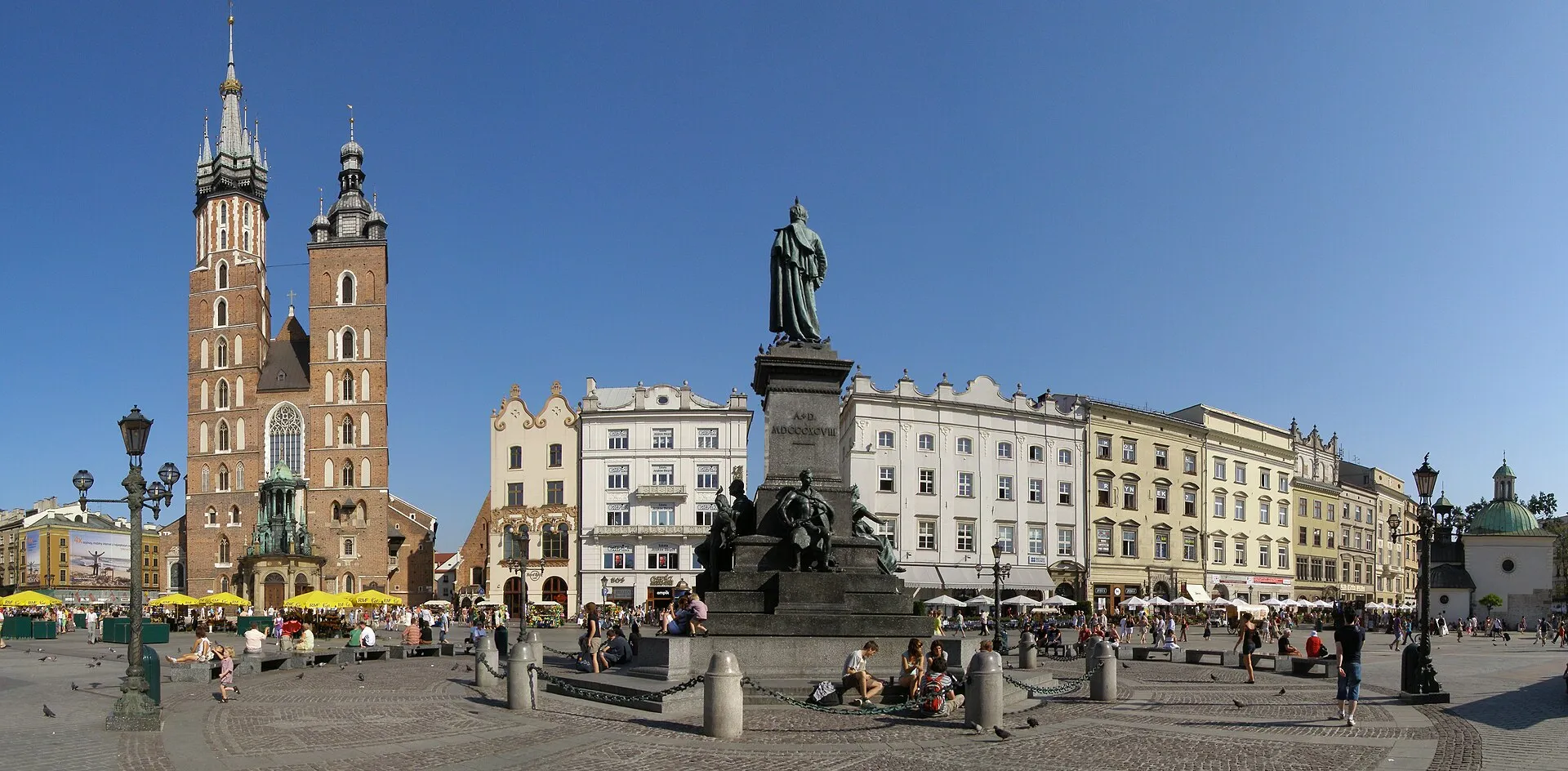
Krakow took in over 14 million visitors in 2019, and they all want the same few streets. You will enjoy the Rynek for a month or two: the largest medieval square in Europe, and a trumpeter in the tower of St Mary's playing the hejnał every hour, four times over, breaking off each time in mid-tune. Then come the British stag weekends, the weekend noise around Plac Nowy in Kazimierz, and a growing habit of walking the long way round. Live across the river in Podgórze or up in Kleparz, and most of this stays where it belongs.
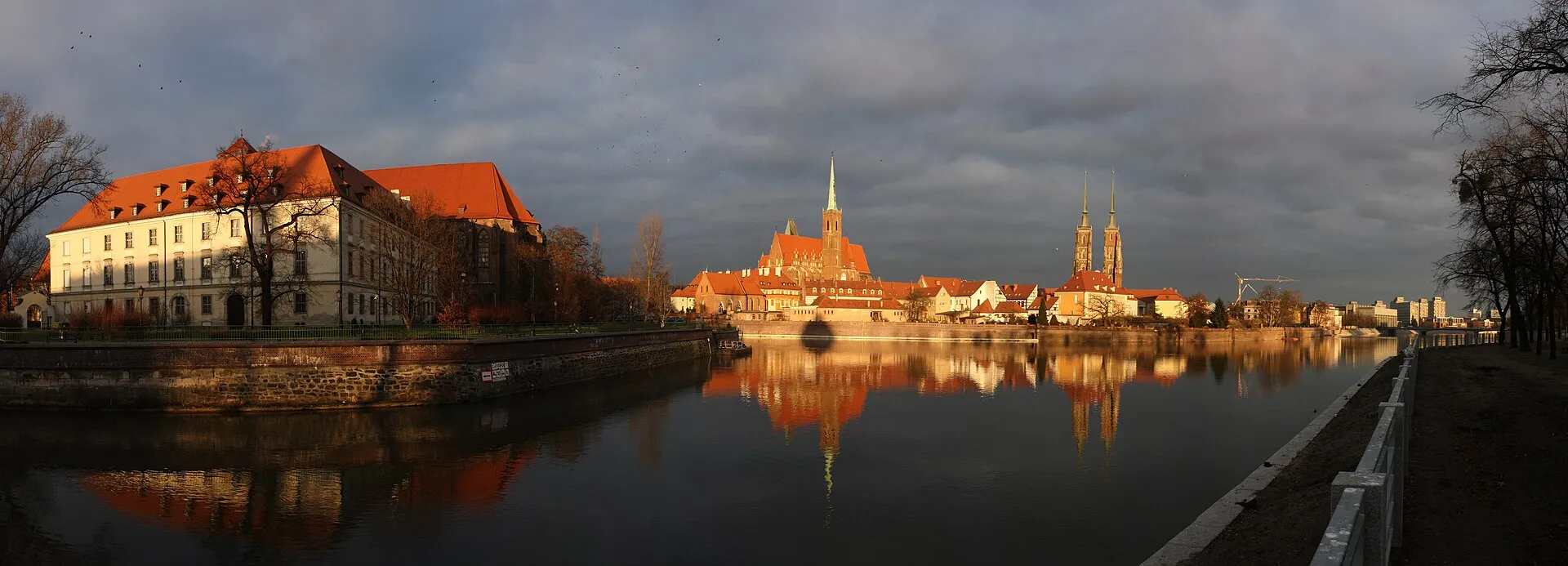
Wrocław drew about six million in 2024, and it feels more like a place that happens to have visitors. On Ostrów Tumski a lamplighter still lights the gas lamps by hand every evening. The bronze dwarfs, descended from the anti-communist pranks of the Orange Alternative, now number around a thousand, which should be silly and somehow is not. Its complaint is the opposite one. By spring you may have run out of new people, because the foreign community is smaller and takes more effort to find.
Flights home
This is where Wrocław is most likely to disappoint you, and it gets worse the more often you fly. Krakow's airport handled about 13.25 million passengers in 2025, and a train gets you to the main station in 17 minutes. Wrocław handled about 4.9 million, and the link is a city bus. With nearly three times the traffic, Krakow gives you more routes to choose from. If your family is on a route Wrocław does not serve, every visit home starts with a train to another city.
What to ask about a Wrocław flat
In 1997 about a third of Wrocław went under water. When the Oder rose again in September 2024, embankments built since then spared most homes, and only a few western neighbourhoods partly flooded. That is good news. Still, a city nicknamed for its hundred bridges has a lot of riverbank, and a ground-floor flat near the water deserves a question or two.
Which regret we would rather have
We lean towards Wrocław for anyone staying through a whole winter and flying less than once a month. Half of it was destroyed in the siege of 1945, its German population was expelled, and settlers from Lwów and further east built a new life in the ruins. A city made by newcomers suits a newcomer, and the smaller scene is a problem you can solve by turning up at CO12 in Nadodrze. Air and airports are things you cannot change. Krakow, with its 200,000 students and Yolk's courtyard in Kazimierz, is the better choice from April to October, and for a first three months when you want company by Friday.
February will tell you more than any list. Spend a weekend in each, with the crowds gone and the boilers on, and take the train between them.
 United States
 United Kingdom
 Germany
 Canada
 Australia
 India