 Kotor
 Dubrovnik
Most people who pick one of these towns pick it in summer, on a bright day, looking at a wall. Then they rent for longer, and the regrets arrive in a predictable order. Go through them first and you may be able to skip them.
Winter flights
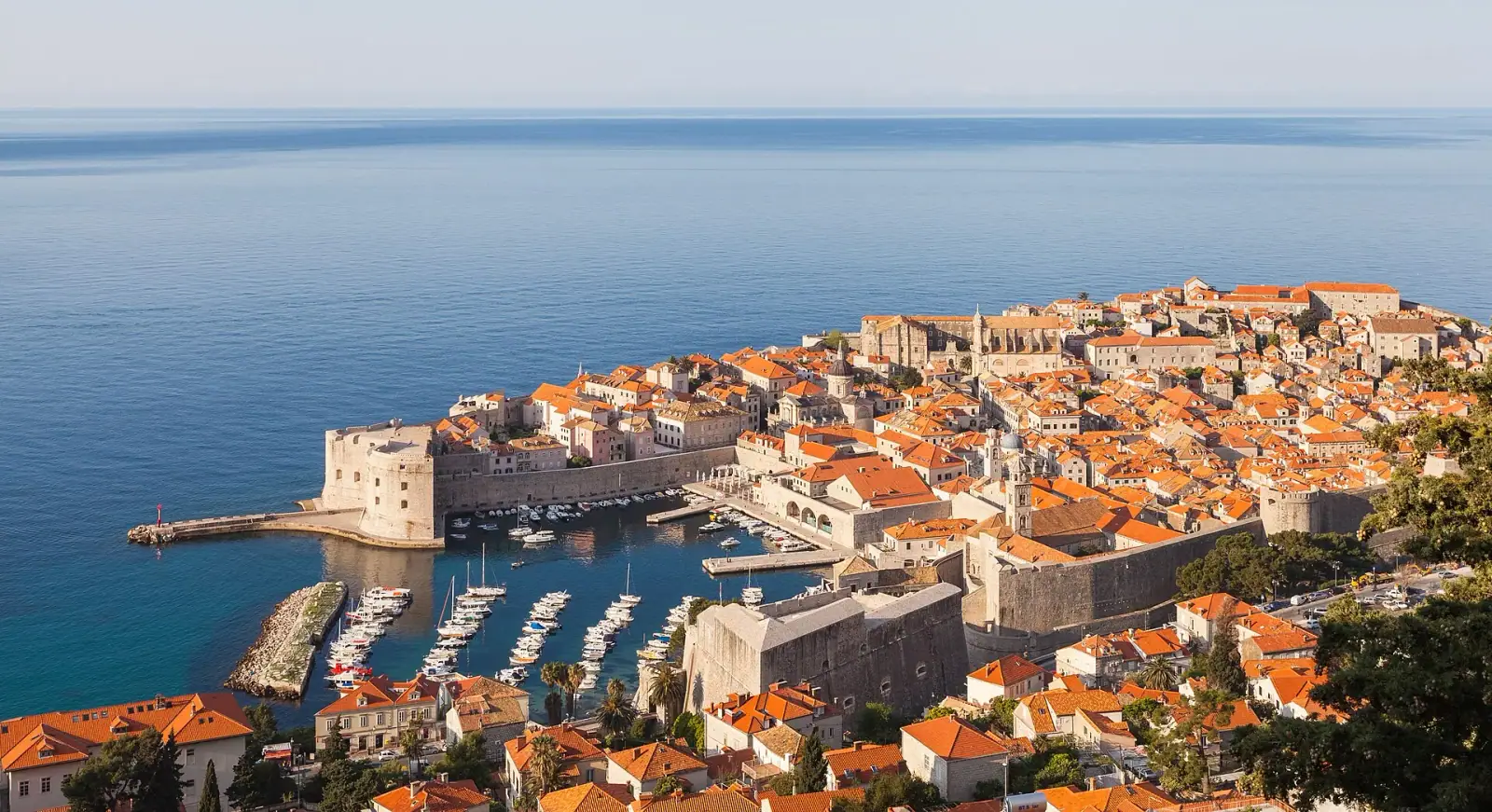
This is the Dubrovnik regret. In August 2025 its airport handled about 544,000 passengers. In January it handled fewer than 20,000, which is roughly one for every 27 in high summer. A handful of routes are listed as running all year, to Zagreb, Frankfurt, Rome, Dublin and London among others, but the easy direct flight that sold you on the place may belong to the other half of the year. Check your own route against the winter timetable before you sign anything longer than the summer.
Kotor's airport at Tivat, about ten minutes away, is smaller and just as lopsided, with about 80 percent of its traffic between May and September. So neither town is an easy base for anyone who flies every few weeks in winter. Dubrovnik's airport is the bigger of the two, and that is about the only difference.
Winter rain in the bay
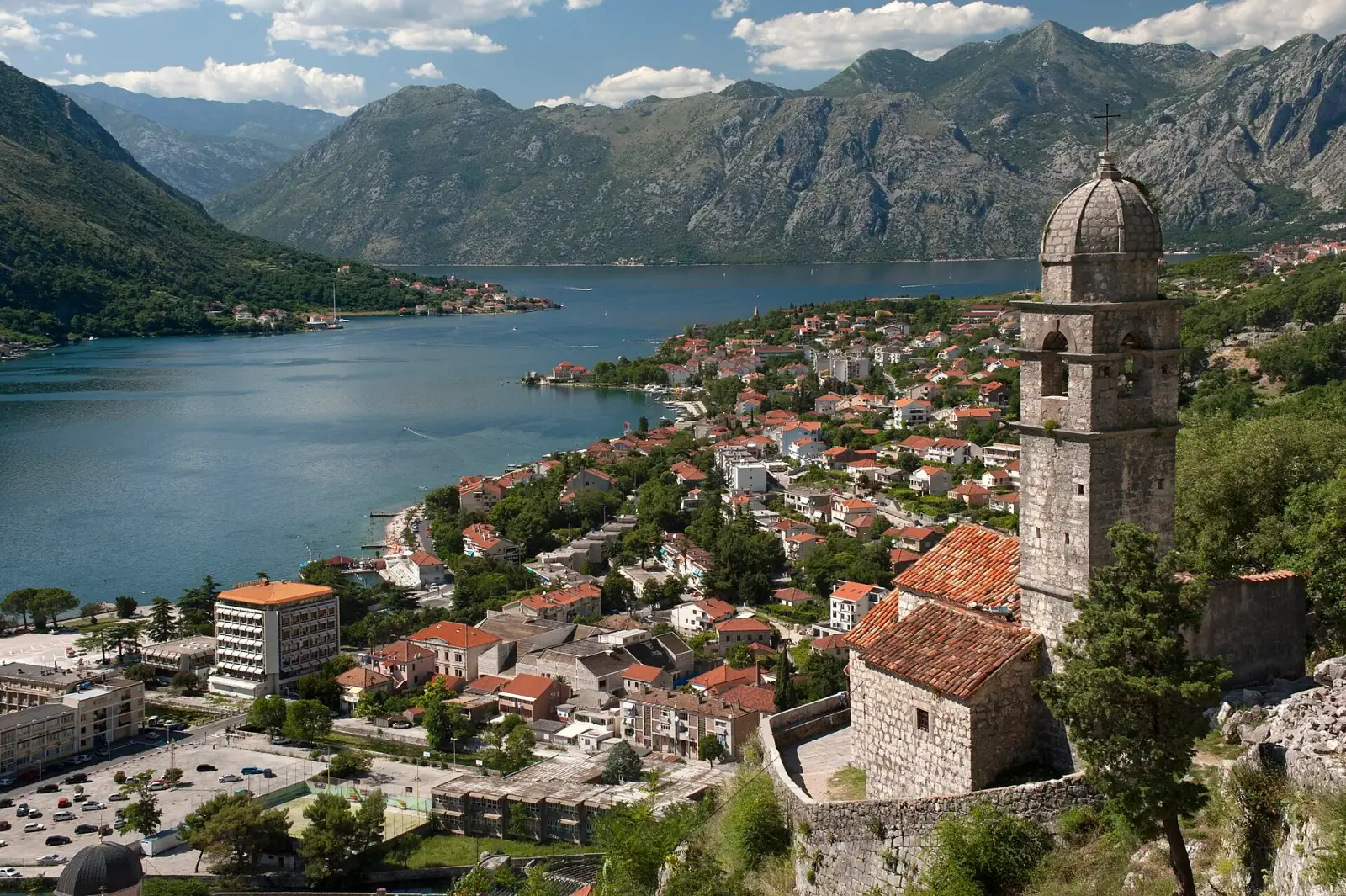
This one belongs to Kotor, and it is the regret we would take most seriously. The town sits at the inner end of a bay, pressed under the limestone of Lovćen and Orjen, and those mountains wring out the weather coming off the Adriatic. December averages around 246 millimetres. Dubrovnik is no desert, with 1,064 millimetres a year and a wettest month of about 142, but it faces the open sea and gets about 2,670 hours of sun. In winter you may see a lot more of the inside of your flat in Kotor, and you would be sharing the town with its famous cats and about 13,000 people.
The trade is that summer and autumn in Kotor are glorious. The city walls climb 4.5 kilometres up the mountain behind you, and since 2024 a cable car has run up to Lovćen National Park in about 11 minutes.
Cruise days
Both of them share this regret, in different doses. Dubrovnik has capped cruise visitors at 4,000 at any one time since its Respect the City plan, and it still expects more than 450 ship calls this year. We could find no comparable limit in Kotor, where about 500 calls were expected in 2024 and a day with four ships has put some 5,000 passengers into a town of that size.
The fix is the same in each. Do not rent inside the walls. In Kotor, take the flat promenade north to Dobrota, where a one-bedroom runs about $460 to $750 and you can swim off a platform in the bay. In Dubrovnik, look at Lapad for the promenade or Gruž for the market, the ferries and the rents of about $575 to $805, along with Desk & More, the main purpose-built coworking room. Kotor's own, Kotor Nest, holds about ten people. Do not expect much of a scene in either town, and if a work community matters to you, take that as your answer and go somewhere bigger.
Counting Schengen days
This regret is quiet until a border guard points it out. Dubrovnik is in Schengen, so every day there uses up your 90 in 180 alongside any days in Spain or Germany. Kotor is two hours down the coast and outside the zone, with its own 90 days for most Western passports, which makes it a very useful place to wait while the Schengen count resets.
For a longer stay, Croatia's permit asks for about $4,170 a month and runs up to 18 months. Montenegro's costs far less, at about $2,070, but it is legislated to close at the end of 2026, so anyone hoping to use it has only weeks left. Compare both on our visa table.
The monthly gap
We estimate about $2,000 a month for Kotor and about $2,800 for Dubrovnik, and nothing about the day-to-day life in Dubrovnik pays back the extra $800 unless you need the open sea or the Schengen address. We prefer Kotor, from April to October, in Dobrota. In November, when the bay goes grey, leave. Choosing either town for the whole year is the mistake this page exists to prevent.
 United States
 United Kingdom
 Germany
 Canada
 Australia
 India