
 Kandy
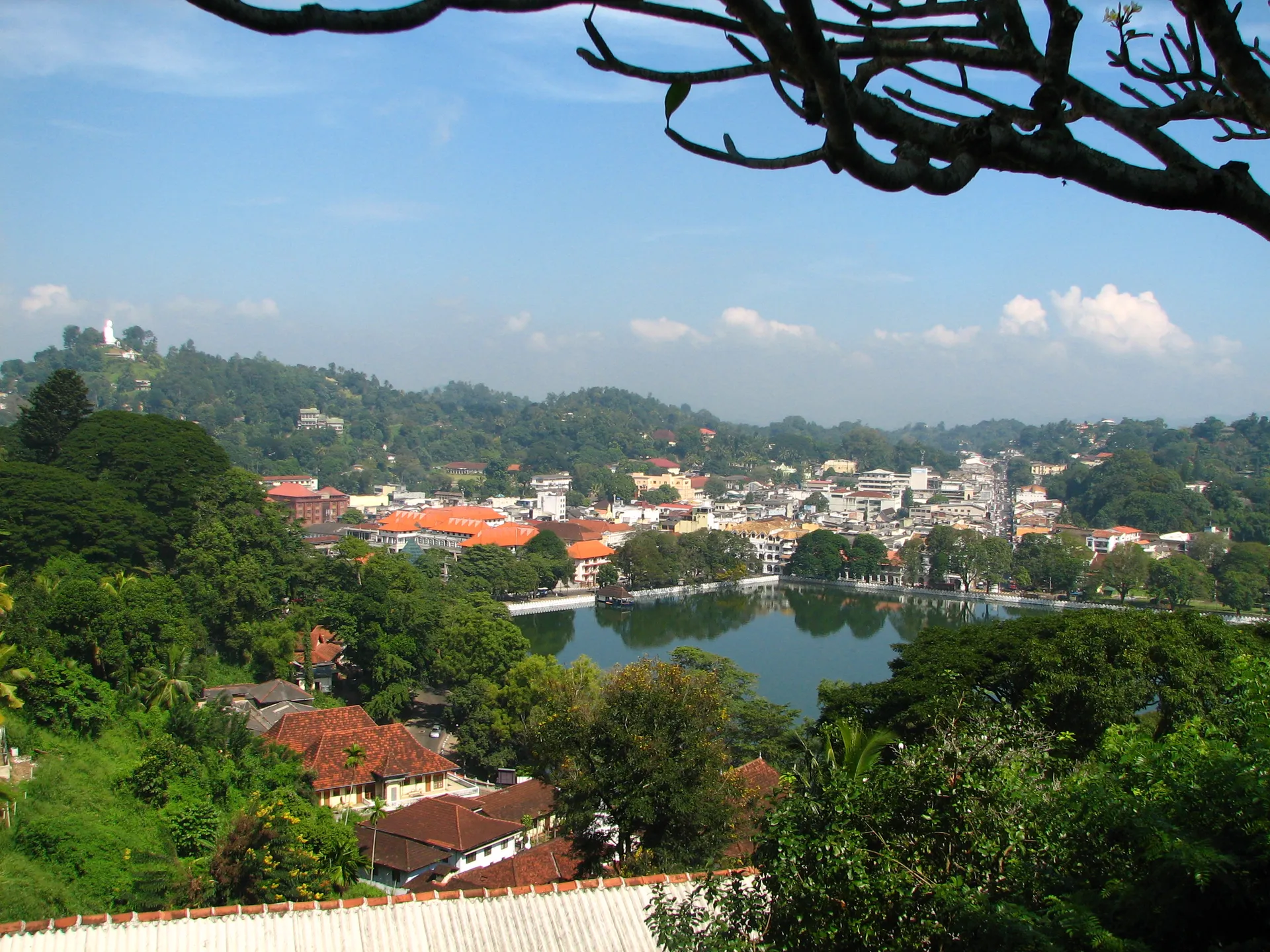
The centre of Kandy is a flooded rice field. Between 1807 and 1812 the last king of Kandy ordered the paddies known as Tigolwela turned into a lake, and began a white parapet around it, the Cloud Wall. The British took the city before the wall was done, and it still stops partway round. To live here, or up in Ella, is to arrange your year around water, and since the cyclone of late 2025 you should think about it harder than the brochures do.
What Ditwah did
Cyclone Ditwah came ashore on 29 November 2025. Kandy District lost more people than anywhere else in Sri Lanka, with 234 dead and 81 missing. A single landslide at Gangoda buried 20 people. Badulla District, which includes Ella, lost 90.
It also cut the famous railway. Between Maradana and Kandy alone there were 97 damaged sites, and the bridge between Peradeniya and Kandy was badly hit. Nanu Oya to Ella reopened on 20 June 2026, so trains are crossing the Nine Arch Bridge again. There was still no through train from Kandy in October. To travel between these two, allow three to four hours by road to Nanu Oya and about two and a half more on the train, or hire a car for the whole way.
For choosing a home, the lesson is plain. Ask any landlord on a hillside, in either place, what the slope did last November. Then look at it yourself.
Two different rainy seasons
This is the part most comparisons miss. Kandy, at about 500 metres, sits in the path of both monsoons, with rough spells from May to July and again from October to December, and around 1,840 millimetres a year. October alone brings about 300. Its good stretch runs from January to April, with a decent gap in August.
Ella, at 1,041 metres, lies towards the eastern side of the highlands, in the rain shadow of the southwest monsoon. June to August, when Kandy can be grey, are its best months. The rain arrives from the other direction later on, peaking in November, when the village earns its misty reputation.
So the two take turns. You could reasonably spend February by the lake and July on the hill, and miss the worst of both, if you are willing to move.
Water in a normal week
In Kandy, water is something you walk around. The path round the lake is a little over three kilometres, passing the Temple of the Sacred Tooth Relic, and it is what you do at five o'clock instead of sitting in traffic in the hill-ringed centre. Look, but do not expect to do more. The water board stopped pumping from the lake in 1960 because of pollution. At Peradeniya, five kilometres out, the university and the Royal Botanic Gardens lie beside the Mahaweli, a greener and quieter place to rent. Kandy has the hospitals, banks and shops, and in July or August a procession with drummers and a royal tusker carrying the relic casket.
In Ella, water falls past you. Ravana Ella drops 25 metres about six kilometres from town. Little Adam's Peak, despite its name, stands only about 100 metres above the town, so you could be on top before your first call. The town is one road of cafés and guesthouses, built for people passing through, so stay out among the tea fields in Kithal Ella, where the quiet is the reason to go.
The money barely enters into it. We estimate $1,000 a month in Kandy against $900 in Ella. If you want hills only and can do without the city, our Ella and Nuwara Eliya comparison goes further up the line.
For a stay of more than a couple of months we would choose Kandy, on a flat lane near Peradeniya, because a town of real services matters more when the weather turns. For July and August only, Ella is better. So before you decide on either, which month are you actually landing?
 United States
 United Kingdom
 Germany
 Canada
 Australia
 India