 Florence
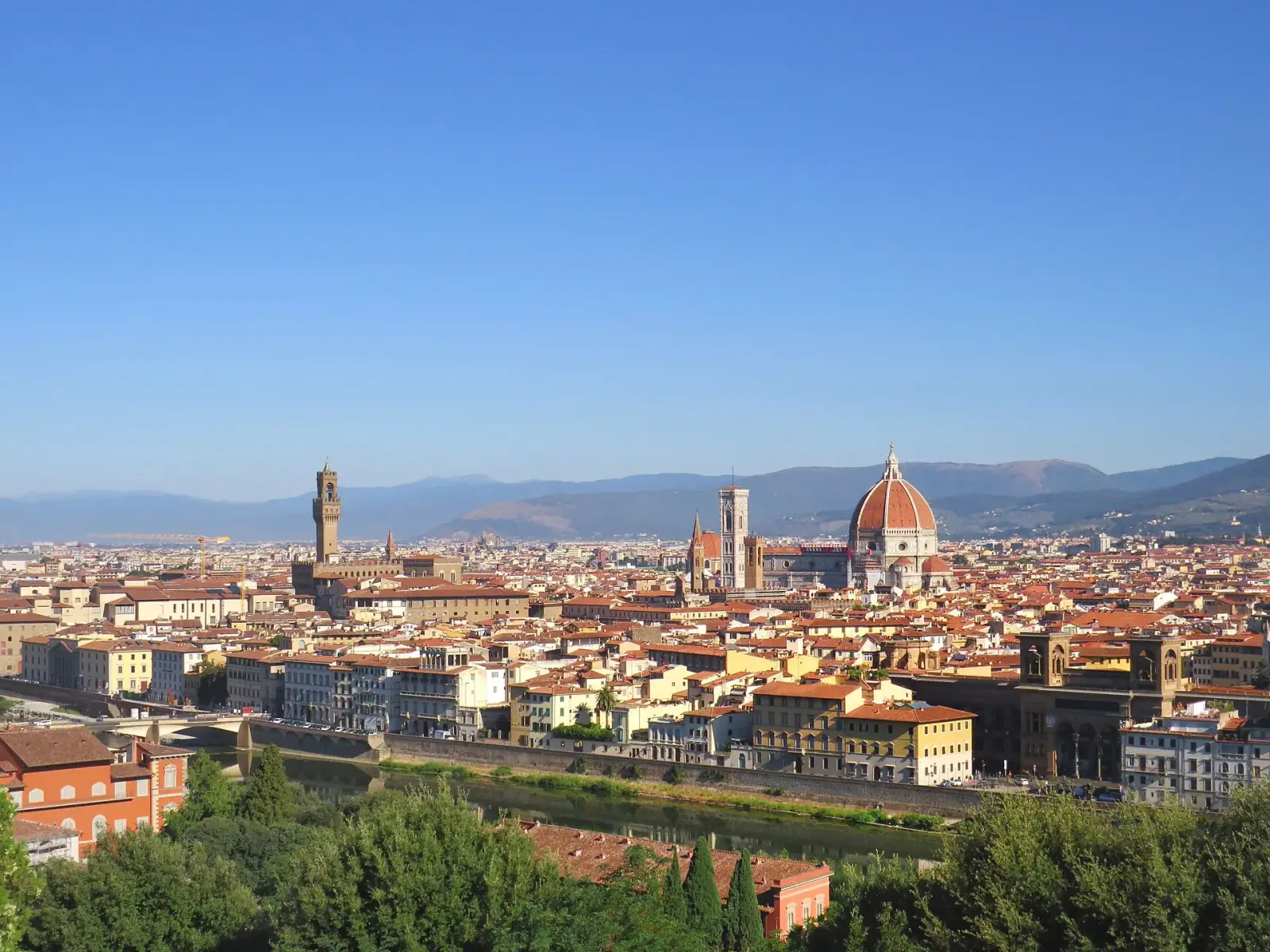
Go on a wet Tuesday in late January, when the queue at the Uffizi has shrunk and a city has to show you who actually lives in it. Florence has been losing that argument for fifty years: it had 457,803 residents in 1971 and has about 361,600 now, while Bologna, with no Uffizi to sell, has about 391,000. The two are 37 minutes apart on a line that spends 73.8 of its 78.5 kilometres in tunnels, so this is a choice about neighbours more than geography.
The students
Both cities are full of them, and they are not the same kind. Florence hosts more than 8,000 American students, on programmes run by NYU, Stanford, Pepperdine, Florida State and others. They are bright and pleasant, they are present for a semester, and they tend to share your language and your nights out, which makes Florence easy to land in and rather hard to get beneath.
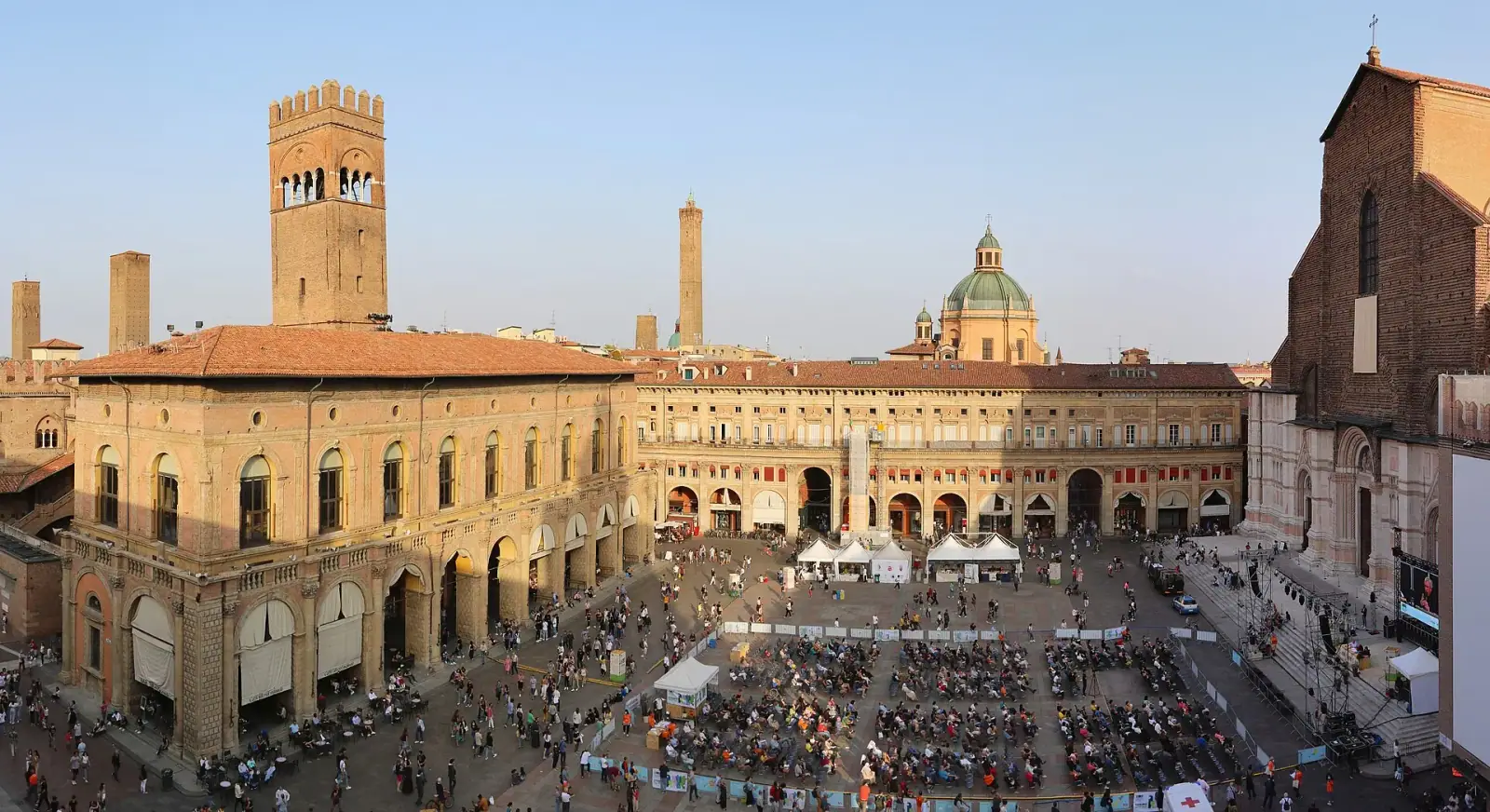
Bologna's university claims a start around 1088 and now has about 90,000 students across the city and its campuses in Romagna. They set the tone of the place. On a January evening they fill the arcades of Via Zamboni and the bars of Via del Pratello, arguing, and you will hear far more Italian around you. Those students leave a hole in late summer, when the university empties. But for ten months you are living in a place whose rhythm has nothing to do with visitors, and your Italian will improve whether you want it to or not.
The people with jobs
Florence does have an economy beyond ticket sales. Gucci is headquartered there, and twice a year, in January and June, Pitti Uomo fills the Fortezza da Basso with thousands of buyers and very well dressed men. The workshops of the Oltrarno are still real. That world is narrow, though, and much of daily commerce in the centre faces outward.
Bologna makes things. Ducati and Lamborghini are local firms, big food and engineering companies are headquartered around it, and it runs one of Europe's largest permanent trade fairs. In a former tobacco factory by Pier Luigi Nervi, the city's Technopole houses both the Leonardo supercomputer and the European weather centre's machine. A remote worker with a technical job will find people to talk to at the next table, and that is something an art capital rarely offers.
The people next door
Ask who lives on your landing. In central Florence it may be whoever booked it this week. The city has blocked new tourist lets in its UNESCO zone, covering 35,593 homes, and this year it moved to extend the freeze to 67,780 more in nine residential areas, because new permits had jumped by over 90 percent in places like San Frediano. Existing lets carry on, and the mayor openly blames them for emptying the centre. San Frediano and Santo Spirito are still where we would look, as long as you ask whether the people upstairs are residents.
Bologna's immigrants, about 18 percent of the population, come above all from Moldova, Bangladesh, Romania, Pakistan and the Philippines, and you meet many of them in Bolognina, north of the station, with its cheap groceries and its rougher edges. It is a far more ordinary Italian life than the one on offer around Florence's Duomo, and less pretty. Bologna has its own wound to live with too: the Garisenda tower, sealed off in 2023 for fear of collapse, stands behind a barrier in the middle of town, with works expected to last at least a decade.
Two estimates and a train
We put the month at about $2,800 in Florence and about $2,600 in Bologna, and Italy's nomad visa asks $2,380 a month in either. So the $200 is no argument. January is about 10°C in Florence and 8°C in Bologna, and you get 38 kilometres of porticoes in the centre to keep you dry in the latter. August is hard on both, with shutters down and highs of about 32°C.
Live in Bologna. Buy a season's worth of early trains to Florence and go on weekday mornings in winter, when you can stand in front of the Botticellis with far fewer tour groups and be home for tagliatelle by eight.
 United States
 United Kingdom
 Germany
 Canada
 Australia
 India