 Cusco
Write out the shopping list for your first week in each city and you have most of the comparison. One is about surviving the air and the cold, the other about the sun and the mountain at the end of the street.
Coca tea
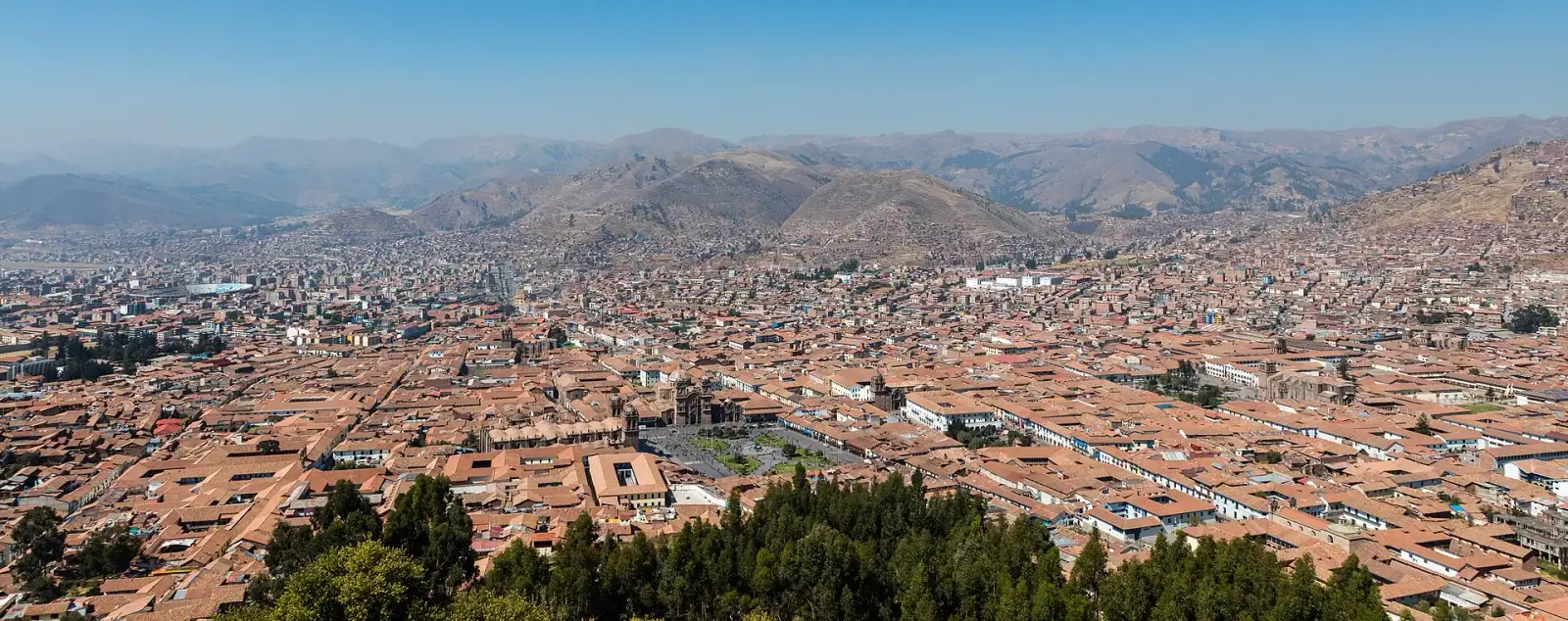
In Cusco it finds you before you find it, because visitors are routinely greeted with a cup. The city stands at about 3,400 metres, and roughly four in ten people who go straight to 3,000 metres get acute mountain sickness, against about two in ten at 2,500. Arequipa, at about 2,300, sits below the height where the trouble usually begins. Nobody has ever studied properly whether the tea works, and a single cup can put you over the limit on a cocaine drug test, so skip it before a medical at home. What helps for certain is an easy first few days, with no walking up to San Blas carrying your suitcase.
An electric heater
Frost is ordinary in Cusco's dry season. July brings days of about 20°C under a hard blue sky and nights of about 1°C, so you may be working in a T-shirt at noon and in a coat by nine in the evening. Rental listings that mention radiant heating are advertising something, so ask any landlord exactly what warms the flat. If the answer is blankets, buy a heater on day one. Then, from about November, add a rain jacket, because January brings about 159 millimetres.
In Arequipa you can leave both on the shelf. Its July nights are about 7°C, and its wettest month brings around 36 millimetres.
Sunscreen
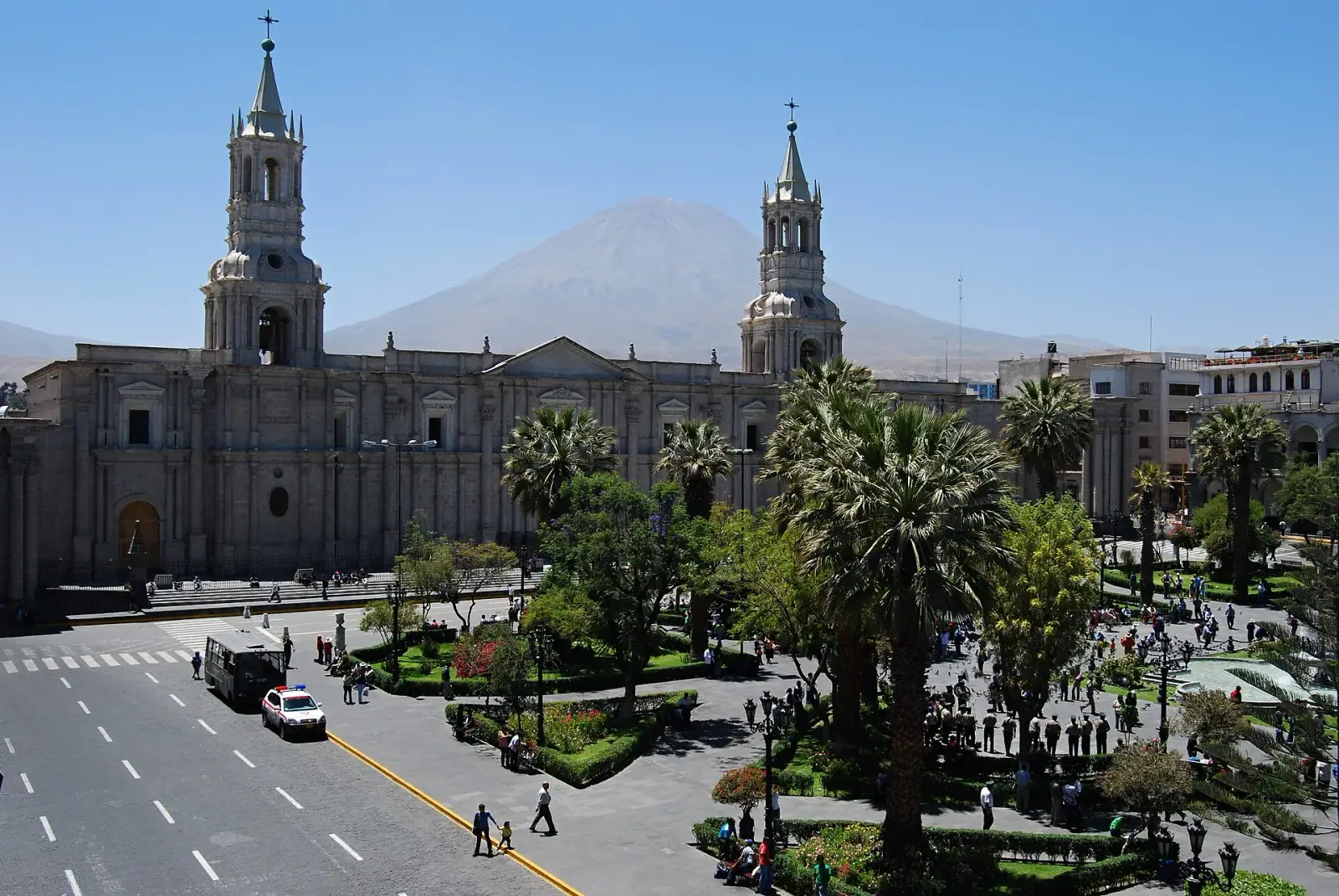
Arequipa gets about 3,333 hours of sunshine a year, with solar radiation among the highest in South America, and the white sillar of its churches throws the light back at you. Treat even the walk from the Plaza de Armas out to Yanahuara, two kilometres away, as time in strong sun. It is also the reason the place is such a pleasure: about 21°C by day in every season, with lunch outdoors in most months.
That lunch should be at a picantería, the old eating houses recognised as national heritage in 2014, where a set meal runs about $3 to $6. Order rocoto relleno and a glass of chicha de guiñapo, the fermented purple corn drink you will find only in these rooms. The restaurants around Cusco's main square are built for the 2.7 million tourists its region received in 2019. Arequipa has about 1.2 million people, textile firms and the copper of Cerro Verde, so the waiter is less likely to assume you are leaving on Thursday.
A look at the hazard map
El Misti stands 12 kilometres from Arequipa and 3.5 kilometres above it, and some districts have spread to within 8 kilometres of the crater. It is also rated among the most dangerous volcanoes in the world because of that distance, although its last significant eruption was in the 15th century. The municipality has a hazard map, and it is reasonable to look up a neighbourhood on it before signing. Earthquakes are the likelier event: one of magnitude 8.4 damaged many of the historic buildings in 2001.
A plane ticket
We estimate $1,500 a month for Cusco and $1,400 for Arequipa, a difference you could lose on one weekend trip. What should decide it is that Machu Picchu and the Sacred Valley are Cusco's, and they are extraordinary, while Colca Canyon, about 160 kilometres from Arequipa, has condors and will fill only a long weekend or two. Cusco also has more people passing through who are doing what you are doing.
JetSmart, LATAM and Sky all fly between the two, and the bus takes about nine hours. Buy the ticket in this direction: land in Arequipa, stay until your blood has adjusted and your work routine holds, then go up to Cusco for the months you can bear the cold. Go the other way round and you risk spending your first days in Peru lying down.
 United States
 United Kingdom
 Germany
 Canada
 Australia
 India