 Cebu
Price is what gets compared before you come, and it is rarely what ends a stay. Four complaints are far more likely to, two against each city, and you can decide now which ones you could live with.
Rarely seeing the sea
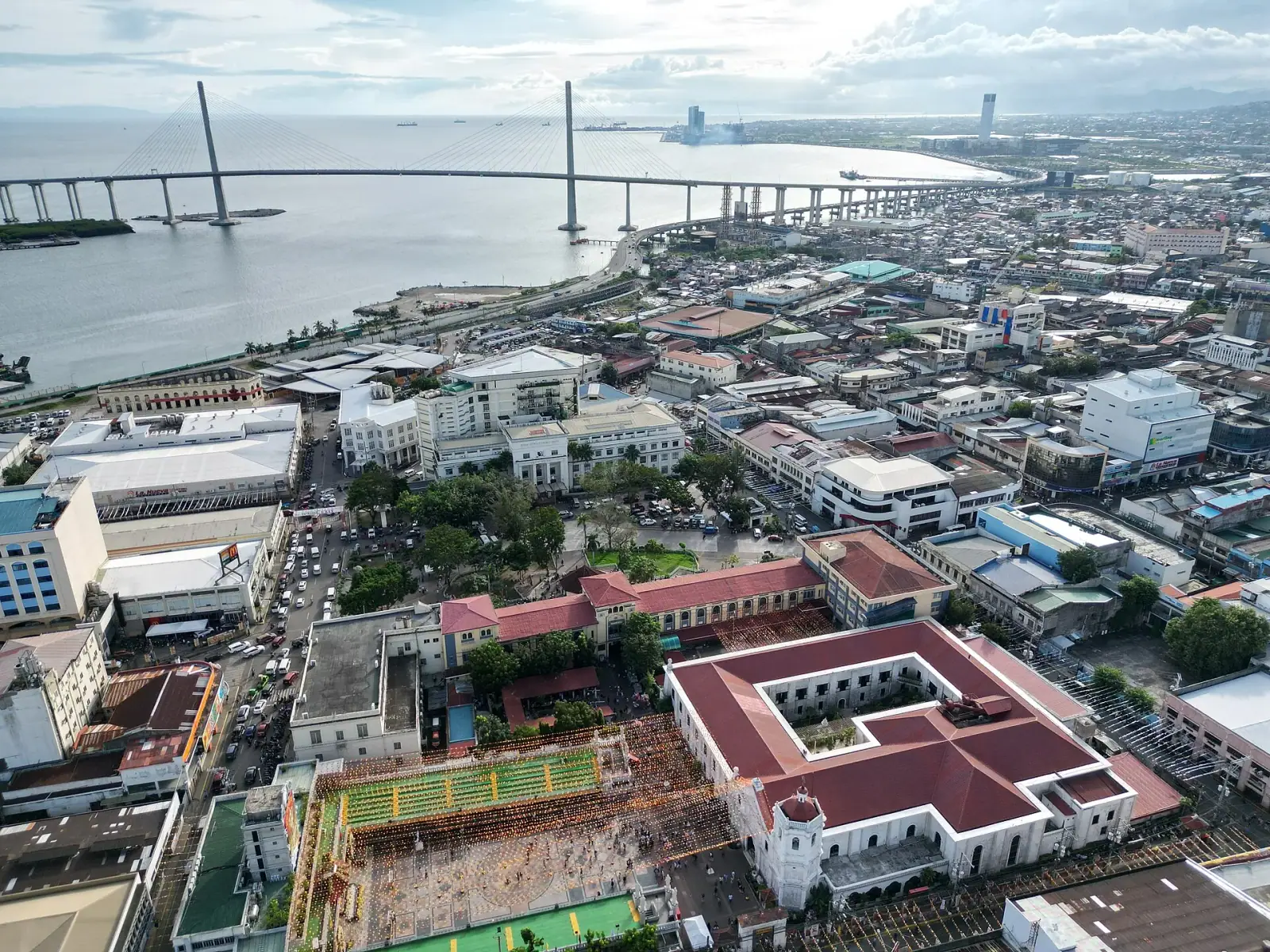
This one belongs to Cebu, and the pictures are to blame. They show sardines and whale sharks. Your address, more likely, is a condo in Lahug or around IT Park, where towers, night-shift call centres and the food stalls of Sugbo Mercado keep going round the clock. The beaches are on Mactan, half an hour or more away across a bridge at the wrong hour. Moalboal, where that wall of sardines lives, is 105 kilometres south. Between seven and nine, and again between five and seven, the main roads stop. You can reduce the regret by living on Mactan and accepting a worse trip to everything else, but on a working Wednesday, Cebu is a city of nearly a million people that happens to be on the water.
Storms and earthquakes
Cebu again, and this is the serious one. On 30 September 2025 a magnitude 6.9 earthquake struck near Bogo in the north of the province. Five weeks later, Typhoon Tino brought flooding that local reports called the worst Cebu had seen, and Cebu accounted for about 150 of the 232 deaths recorded nationwide. Ask any landlord about the last flood before you sign, and rent above street level.
Davao is often sold as the escape from all this. Cyclones are indeed rare there, which is a real point in its favour. But it has no true dry season, and it is not out of reach of the earth: a magnitude 7.4 quake hit off Manay in Davao Oriental on 10 October 2025. You are swapping one risk for a smaller one, not leaving risk behind.
Getting out
Now the list turns on Davao, which people pick for its price: on our estimate about $1,000 a month, against about $1,500 in Cebu. Then a client wants you in Tokyo, or a parent falls ill. Mactan handled nearly three million international passengers in 2025, with direct flights to Seoul, Tokyo, Osaka, Hong Kong, Singapore, Kuala Lumpur, Bangkok and more. Davao handled about 250,000. It has Singapore, Hong Kong, Doha, and Bangkok returning in December 2026. Most trips start with a connection through Manila or Cebu, so that $500 a month has to pay for a good many extra hours and tickets.
There is a paperwork version of this too. Britain's Foreign Office advises against all but essential travel to most of Mindanao outside a few islands, and that wording appears to take in Davao, though the city itself is not named. Plenty of travel policies stop paying where such advice applies, so read yours before you assume you are covered.
Having nobody to eat dinner with
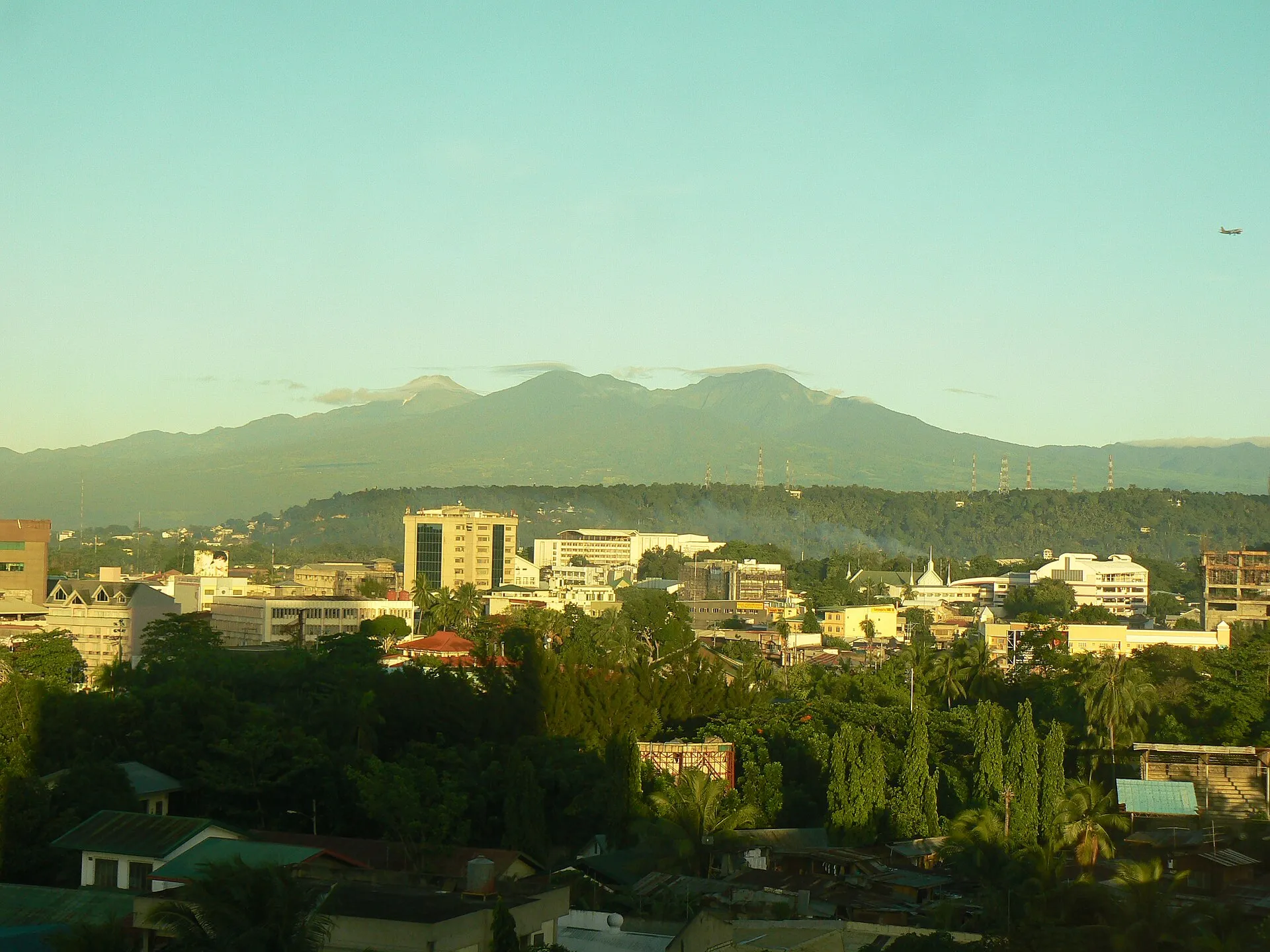
Davao's last complaint is the quietest one, and it does the most damage. The city is huge, 2,443 square kilometres and almost 1.85 million people, nearly twice as many as Cebu City, and the rules that keep it orderly are real: smoke-free since 2002, reduced speed limits, no firecrackers, no alcohol sold in bars after 1 a.m. Its politics are a family matter, with one Duterte as mayor, another as vice mayor and two more in Congress, and opinions about them run strong. The durian stalls, the fountain at People's Park, Samal across the gulf and Mount Apo on the skyline make a good life. What they do not make is a circle of people who work the way you do. Few foreigners are here, and your evenings may be very peaceful indeed.
Count your own likely complaint honestly. Most readers will find Cebu's the easier ones to manage, since you can move house away from a flood or a traffic jam, and you cannot move an airport. That is why we would start in Cebu. Davao earns a trial, though, for anyone who works alone and rarely flies: go in August for the Kadayawan festival, stay the month, and notice how you feel by the end of week three.
 United States
 United Kingdom
 Germany
 Canada
 Australia
 India