 Cape Town
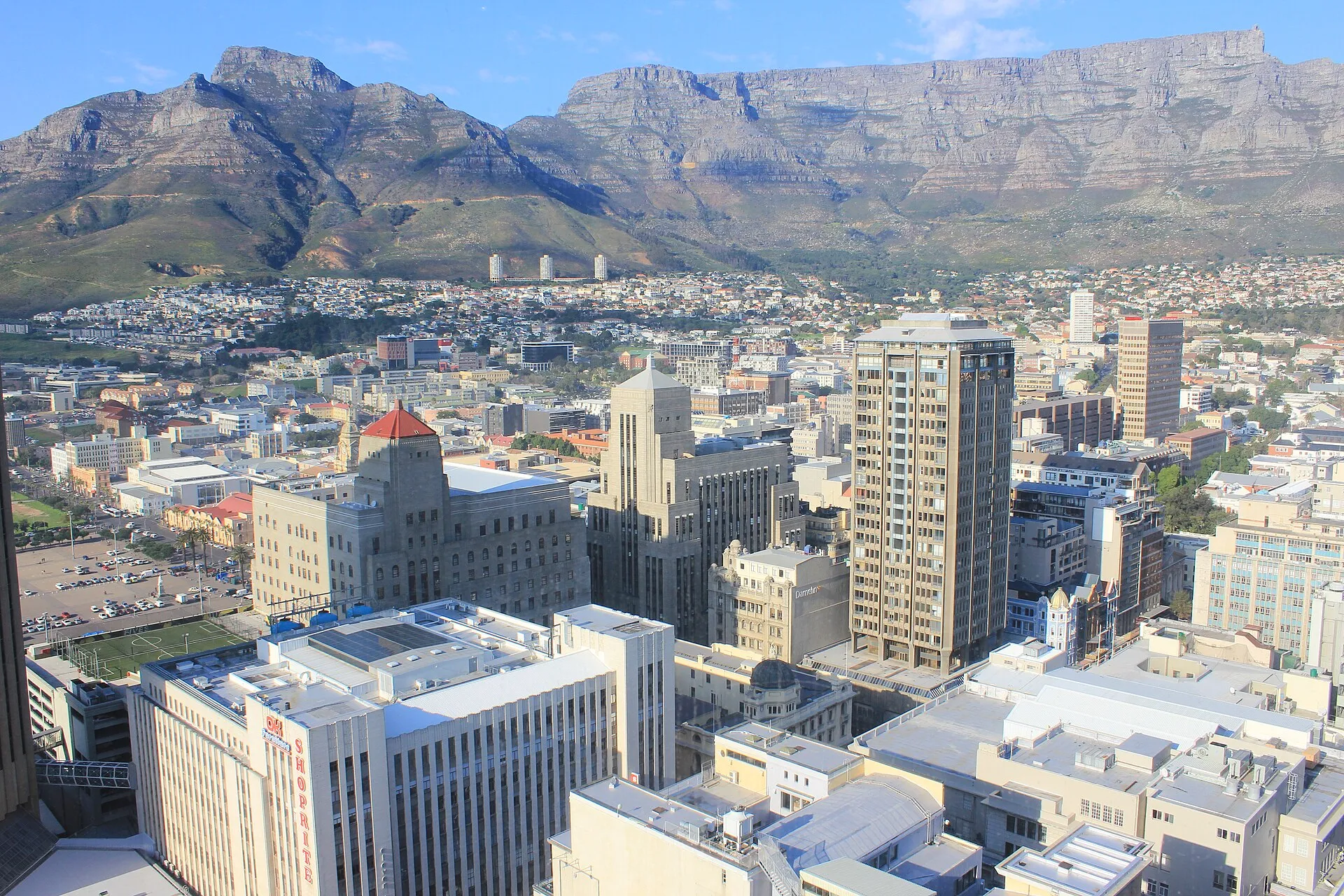
Walk down any cross street in Sea Point and the city runs out quickly. You begin on Main Road, among the churches, the coffee shops and the MyCiTi buses heading for the Waterfront or Hout Bay, with Signal Hill at your back. A few blocks of apartment buildings later you reach Beach Road, where the Ritz Hotel's 23 storeys still carry a revolving restaurant, and then the promenade, where half the suburb seems to be jogging. Ahead are the Atlantic and the Olympic-sized seawater pool at the Pavilion, which has been serving Capetonians since at least the early 1950s. It is the sensible place to swim, because the ocean here averages 10 to 15°C. Turn round and Lion's Head fills the sky.
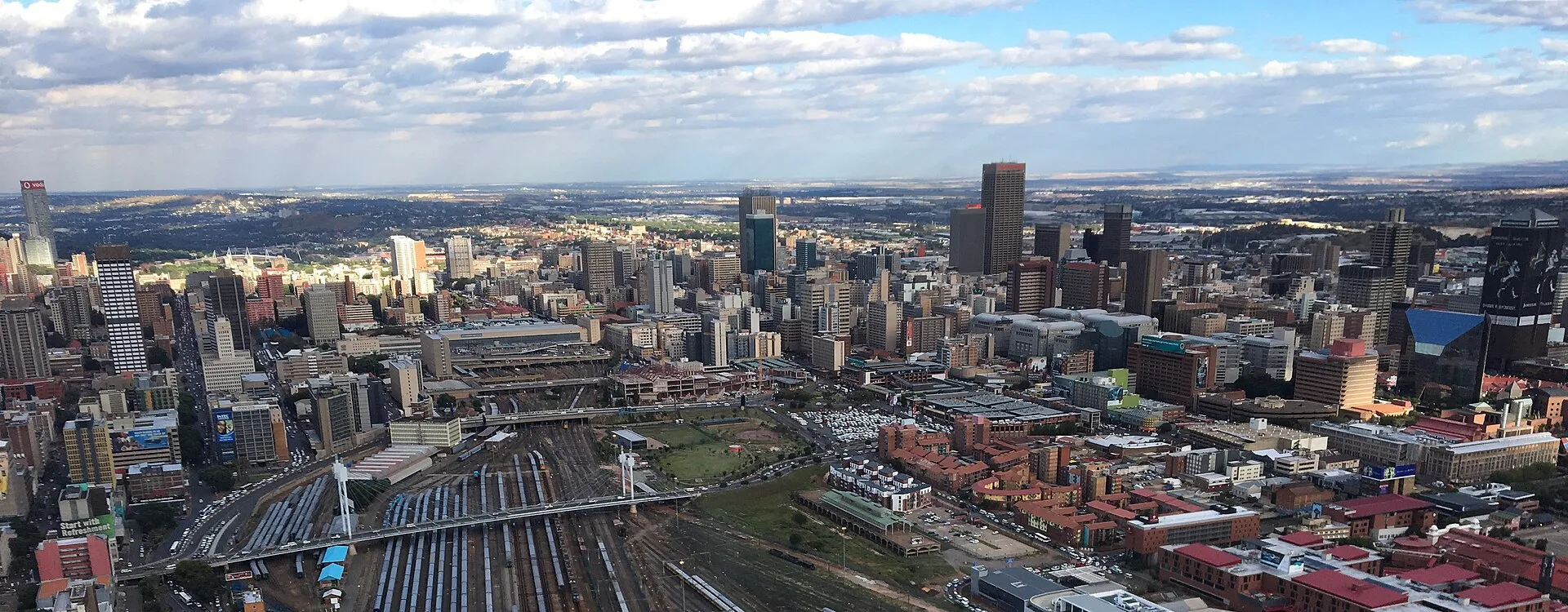
That walk needs no car, and it is the strongest argument Cape Town has. Now walk one in Johannesburg.
Seventh Street and Fourth Avenue
Melville is the fairest test, because it is one of the few parts of the city built for doing this at all. It was proclaimed in 1896, and it has high streets instead of an enclosed mall. On 7th Street you pass restaurants, bars and a tattoo studio, with students from the University of Johannesburg and Wits filling the tables. Fourth Avenue is quieter, with cafés and shops. Above it all are the Melville Koppies, an archaeological site of rolling grassland with views over the city. And look up as you go: Johannesburg has about six million trees, most of them in private gardens, on a plateau 1,753 metres above the sea. Winter afternoons are dry and sunny, and summer ends the day with a thundershower. Against the Cape's wet June, it is a strong case for the better climate.
Keep walking along 4th Avenue, though. In August 2026 sewage was overflowing onto it. The residents' association counted more than 50 days without water in the first 226 days of the year, and a café on that street had lived through an outage of over a month. High ground on the Commando supply system loses pressure first, and Melville is high ground. On 14 August residents protested in those same streets, as they had in February.
Water in the two cities
Cape Town is no stranger to dry taps. The drought of 2015 to 2018 cut the city's use from 1.2 billion litres a day to 516 million. But that was a shortage of rain, and it ended. Johannesburg's trouble is the pipes: about 140 leaks a day and 207 billion litres lost in a financial year. That will take longer to fix, and it reaches your day directly, since a flat without water is a flat you cannot work from. Should you rent here anyway, a tank with a pump belongs on the list ahead of the view.
Crime and rent
Sea Point has its own warning. It is listed among the city's worst areas for non-violent crime, along with the CBD and Woodstock, so your phone stays in your pocket on that promenade. The terrible murder figures, 2,998 in a single year, are concentrated elsewhere, in gang-held parts of the Cape Flats that you are unlikely to see. Johannesburg asks for more: outside a few districts, the pavements themselves are poor or unsafe, and most of daily life happens by car.
The rent is the other catch. A furnished one-bedroom in Sea Point runs around $840 to $1,200, and our estimate for a whole month is about $2,000 in Cape Town, with Johannesburg only slightly lower at $1,800. South Africa's digital nomad visa treats the two alike, so that small gap is all you save.
Choose Johannesburg for a reason you can name: clients, a South African business, or an interest in the country that the Atlantic seaboard will never satisfy. In that case skip Melville as a home and take a flat in Rosebank, close to the Gautrain and the coworking at The Bank, with Sandton's connection to the airport a short ride away. For everyone else, take the month on Beach Road. Go to Melville for a long lunch, and telephone first to ask whether the taps are running.
 United States
 United Kingdom
 Germany
 Canada
 Australia
 India