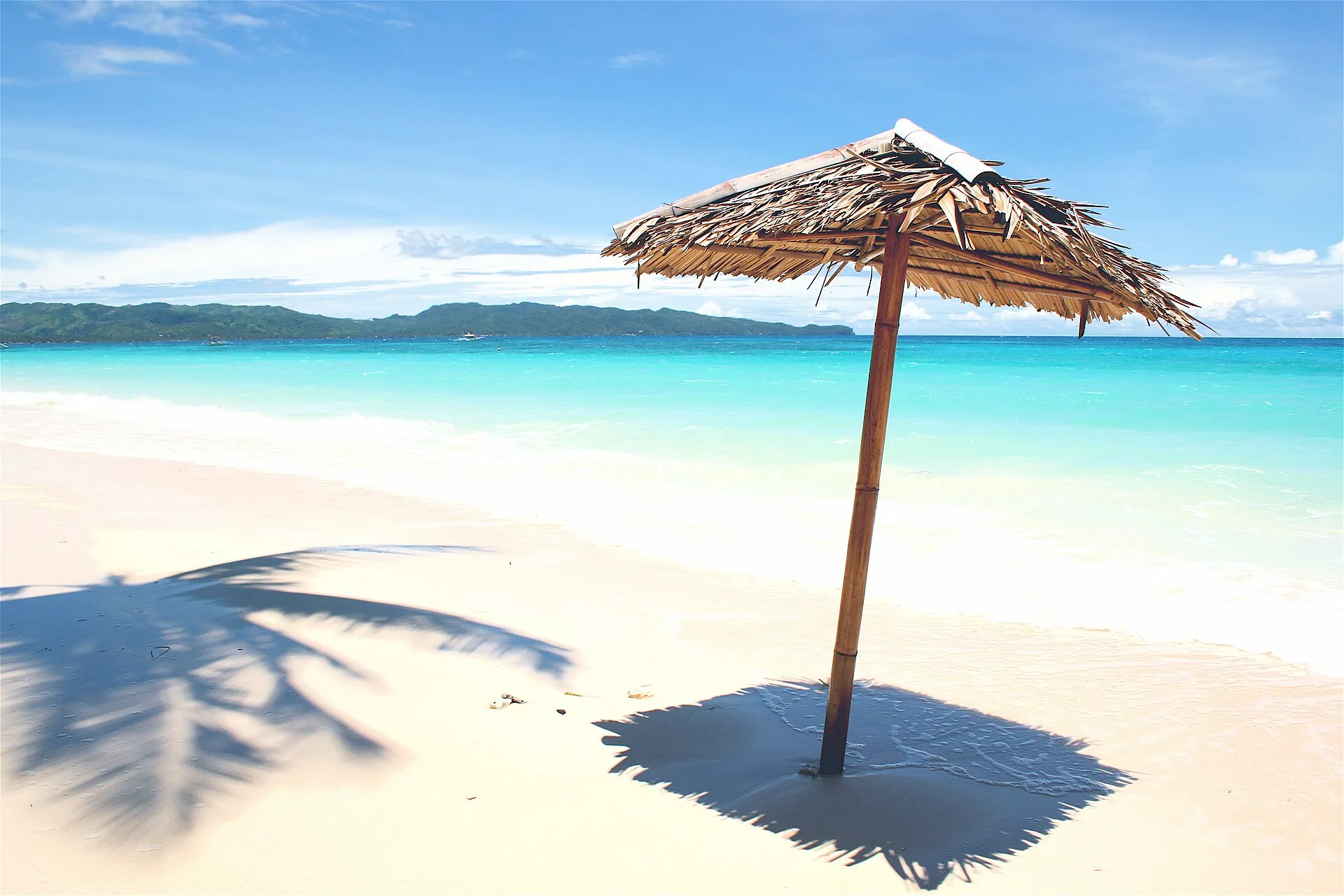
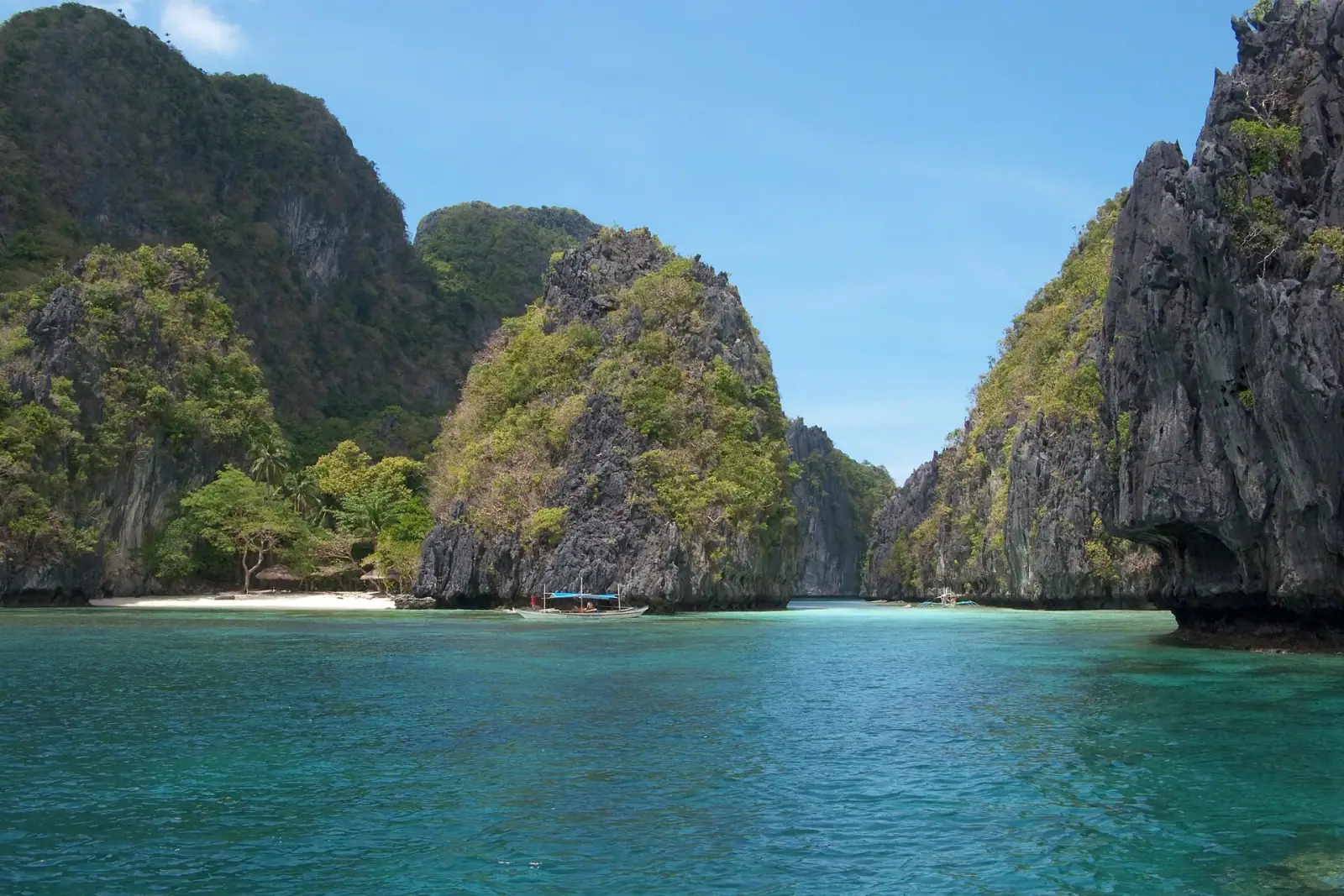
Boracay El Nido
Head to head
Boracay vs El Nido

Boracay vs El Nido: Which Is Better for Digital Nomads?

Overall: Boracay edges ahead, 7.1 to 6.1

Everyone who compares these two does it in February, when the sea is flat and the question is which view you prefer. A better time to compare them is August, when the visitors have thinned out, the southwest monsoon is blowing, and you can see who is left. These are two very different sets of people, and you would be living among them.

Who stays

About 37,800 people live on Boracay, on barely ten square kilometres. That is more than 3,600 a square kilometre, on an island that took some 2.15 million arrivals in 2025 and runs under a cap of 19,215 tourists at a time, set during the six-month closure of 2018. The largest settlement is Manoc-Manoc, with about 14,800 people, and you will meet the residents as the hotel staff, boatmen and e-trike drivers who keep the place running. When visitors drop away in the wet months, those people do not go anywhere, and the island's machinery keeps turning at a lower speed.

The people with the oldest claim are the hardest to find. The Ati were here first, and since a 1978 proclamation made the island a tourist zone without mentioning them, they have been pushed to the margins. A small group farm dragon fruit and vegetables on 3.2 hectares they received in 2018, and in 2024 armed men barricaded some of the lots after the land reform department cancelled the certificates at developers' request. The department later ordered other land given to the families. That is worth knowing when you are admiring the sand.

El Nido has around 51,400 residents and only about 56 per square kilometre, scattered over 18 barangays, of which the crowded town you have seen in photographs is only four. The Tagbanua and Cuyonon settled this coast first, and people still fish and farm here. Some still gather the swiftlet nests from the limestone that gave the town its name and can sell for $3,000 a kilo. So in August, El Nido does not feel like a resort at low speed. It feels like a rural Palawan municipality with a backpacker street attached.

What stops in the rain

On Boracay, the weather merely changes sides. From June to October, White Beach is often too rough to swim, so water sports move across to Bulabog on the sheltered east coast, the reverse of winter, when the kitesurfers take over Bulabog. Rain often comes in bursts, hotel rates fall, and flights into Caticlan and the short boat crossing keep going unless a storm stops them.

In El Nido, the whole point of being there depends on small boats, and the rain gets directly at them. Island tours A to D change route with the weather and the tide, or do not run. The road to Nacpan can turn to slurry. Reaching town means a four to five hour van from Puerto Princesa or a small plane to Lio, and power and internet have long been its weak spot, with long-stayers relying on Starlink backups at places like Happiness Hostel in Buena Suerte. Life there in the wet months is quiet, green, cheap and a little isolated, and two people will manage it far better than one.

Where you would fit

By our estimate Boracay costs $1,800 a month and El Nido $1,500, and that $300 will not decide this. Boracay's top desks, such as the Mahogany Lounge in Station 1, with Starlink, generator backup and day passes of about $5, keep working through the rain. If you have calls to take in August, you cannot beat that here, and it is also easier to have a conversation with someone who is not leaving tomorrow.

We would not spend a monsoon working in El Nido unless you have work that can wait a day. Go from late November, when the rain has eased and the crowds have not yet built, or in February to April, and stay for a month rather than a year. Boracay, for all its history, is the place you could keep living in. Book August on Boracay first, then see how much you miss the lagoons.

Boracay vs El Nido: side by side

All 13 categories we rate, each out of 10. Green is strong, amber is middling, red is weak.

BoracayEl Nido
6 Climate 6
7 Cost of living 8
5 WiFi 3
8 Nightlife 5
9 Nature 10
7 Safety 7
5 Food 4
6 Community 5
8 English 8
7 Visa 7
4 Culture 4
5 Cleanliness 4
8 Air quality 9

Boracay and El Nido at a glance

289 kmapart in a straight line
Same timein January
$300a month less in El Nido
ElevationBoracay55 mEl Nido23 m
Time zoneUTC+8in both
Nearest airportBoracayGodofredo P. Ramos Airport (MPH), 6 kmEl NidoEl Nido Airport (ENI), 4 km
Main languageFilipino, Englishin both
CurrencyPeso (₱, PHP)in both
PlugsType A/B/C, 220V / 60Hzin both
Tap waterBottled or filteredin both
Emergency number911in both
Tipping10% often addedin both
Ride-hailingGrabin both
In the Schengen areaNoin both

Population is the Natural Earth figure for the urban area around each city, elevation from the Copernicus height model, airports from OurAirports.

Where they differ most

The three biggest gaps between the two, in the words of each city guide.

Nightlife

Boracay

Boracay has one of the Philippines' most active beach nightlife scenes, centered along White Beach Station 2 and D'Mall. Epic Boracay has anchored the scene since 2008 with beachfront dining and late-night energy. Bars like Aplaya at Station 1 offer a calmer cocktail-and-sunset vibe.

El Nido

Nightlife in El Nido is low-key and beach-bar oriented rather than club-focused. The main strip on Hama Street has a handful of bars open until midnight. Happiness Beach Bar and a few spots in Corong Corong offer drinks with ocean views.

Internet

Boracay

Top coworking spaces like Mahogany Lounge offer Starlink-powered connections, while KnEsq and The District are workable dedicated options. Cafe WiFi at Calma Cafe and Smooth Boracay is usable for a work session.

El Nido

Internet quality has improved significantly since 2023. The town center and Corong Corong area have fiber infrastructure, with the best connections at dedicated coworking spaces like Neighbors and Nomads.

Cost of living

Boracay

Boracay is pricier than most Philippine cities due to its resort-island economy. A modest nomad budget runs $800-1,000 per month covering rent near Bulabog or Balabag, local food, and basic transport.

El Nido

El Nido is expensive by Philippine standards due to its remote island location. Expect to spend $700-1,150 per month including rent, food, coworking, and transport. Rent in town runs $245-325 monthly, groceries $82-115, and eating at local carinderias costs $3.50-6.50 per meal.

From the score notes in the Boracay and El Nido guides, where each one is explained in full.

Month by month: the weather

Each bar runs from the average daily low to the average daily high. Rain is below.

BoracayEl NidoScale runs from 24C to 31C, rain up to 598 mm
See the numbers
BoracayEl Nido
Jan27C / 24C, 117 mm28C / 25C, 30 mm
Feb27C / 24C, 74 mm29C / 25C, 12 mm
Mar28C / 25C, 54 mm30C / 25C, 17 mm
Apr29C / 26C, 58 mm31C / 26C, 40 mm
May30C / 26C, 187 mm31C / 26C, 237 mm
Jun30C / 26C, 298 mm30C / 26C, 416 mm
Jul29C / 25C, 450 mm29C / 25C, 598 mm
Aug29C / 26C, 376 mm29C / 25C, 591 mm
Sep29C / 25C, 279 mm29C / 25C, 472 mm
Oct29C / 25C, 308 mm29C / 25C, 304 mm
Nov28C / 25C, 319 mm29C / 25C, 255 mm
Dec28C / 25C, 213 mm29C / 25C, 166 mm

Boracay: ERA5 reanalysis temperatures for 2019-2023, CHPclim rain for 1980-2009. El Nido: ERA5 reanalysis temperatures for 2019-2023, CHPclim rain for 1980-2009.

What a month costs

Boracay$1,800
El Nido$1,500

Our own estimate for a comfortable month for one remote worker, the same figure the city guides use.

Entry rules for common passports

Tourist entry on arrival. Every passport is in the visa finder, and remote-work visas are on the nomad visa page.

United States
Visa-free, 30 daysin both
United Kingdom
Visa-free, 30 daysin both
Germany
Visa-free, 30 daysin both
Canada
Visa-free, 30 daysin both
Australia
Visa-free, 30 daysin both
India
Visa requiredin both

Where you would live and work

The areas people choose in each city, and some of the places they work from.

Boracay

Neighbourhoods

  • White Beach Station 1Boracay's upscale north
  • White Beach Station 2Boracay's bustling heart
  • White Beach Station 3Boracay's budget-friendly zone
  • Bulabog BeachBoracay's kitesurfing paradise
  • Diniwid BeachBoracay's hidden cove

Places to work

Mahogany LoungeKnEsq Coworking SpaceThe District BoracayCalma Cafe and RestaurantTotally Bananas Cafe
More on the Boracay guide →
El Nido

Neighbourhoods

  • Town Proper/BeachEl Nido's bustling main beach
  • Corong CorongEl Nido's sunset beach alternative
  • Nacpan BeachEl Nido's pristine twin beach
  • Lio EstateEl Nido's upscale resort enclave
  • Island Tours (A, B, C, D)El Nido's legendary island hopping

Places to work

Neighbors and NomadsMasayanaHama CoffeeEl Nido Boutique ArtcafeHappiness Hostel El Nido
More on the El Nido guide →

Where each city wins

Boracay is stronger on

NightlifeWiFiFoodCommunityCleanliness
Boracay guide →

El Nido is stronger on

Cost of LivingNatureAir Quality
El Nido guide →

Add a third city in the comparison tool →

Frequently asked questions

Is Boracay or El Nido cheaper for digital nomads?

El Nido is the cheaper base, around $1,500 a month versus $1,800 in Boracay, a difference of about $300.

Which has better WiFi, Boracay or El Nido?

Boracay scores higher for WiFi (5/10 versus 3/10).

Which is safer, Boracay or El Nido?

Both rate 7/10 on safety.

Boracay or El Nido: which is better overall for remote work?

Boracay takes the overall Nomad Score (7.1/10 versus 6.1/10), though the right pick depends on what you value most.