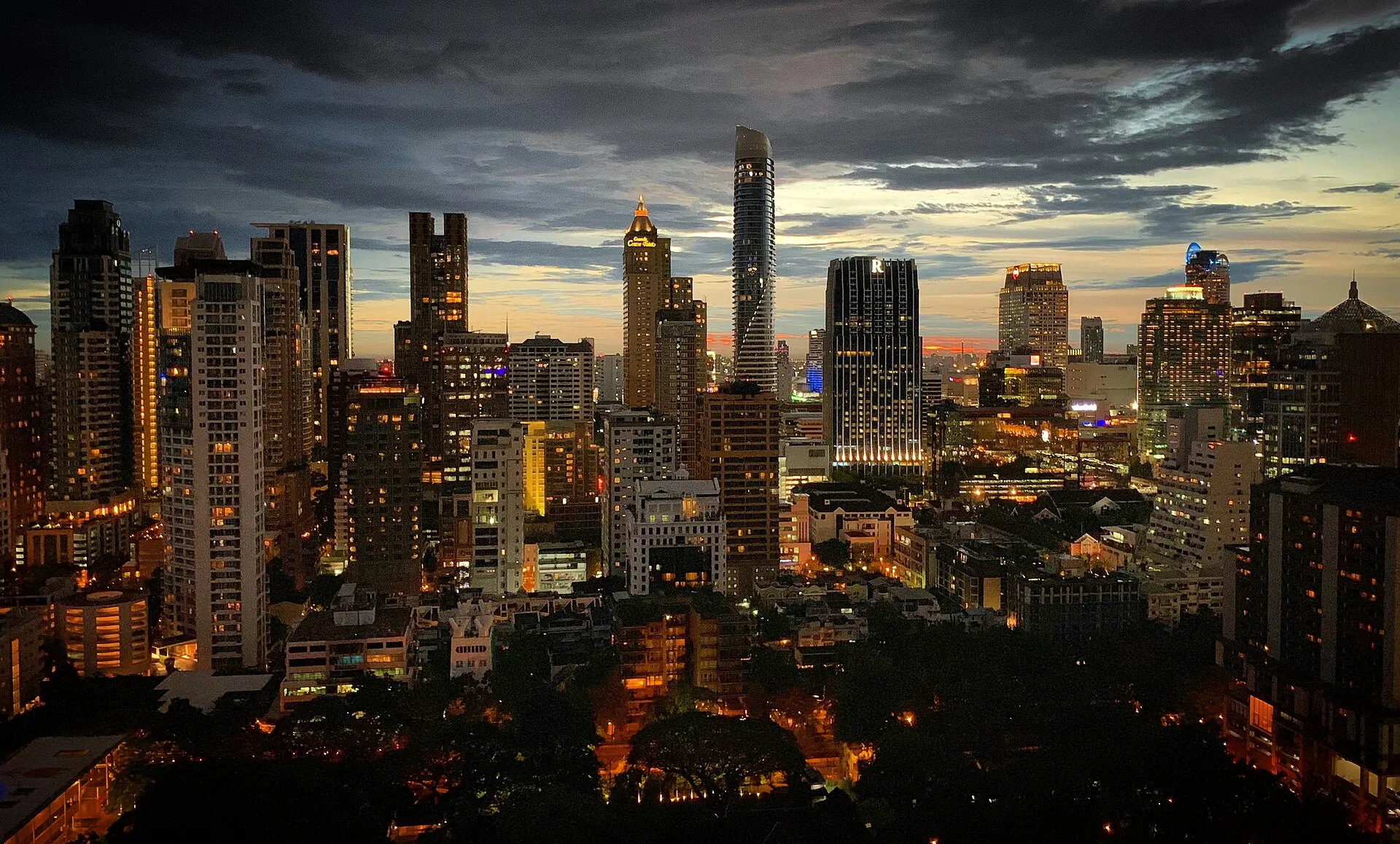
 Bangkok
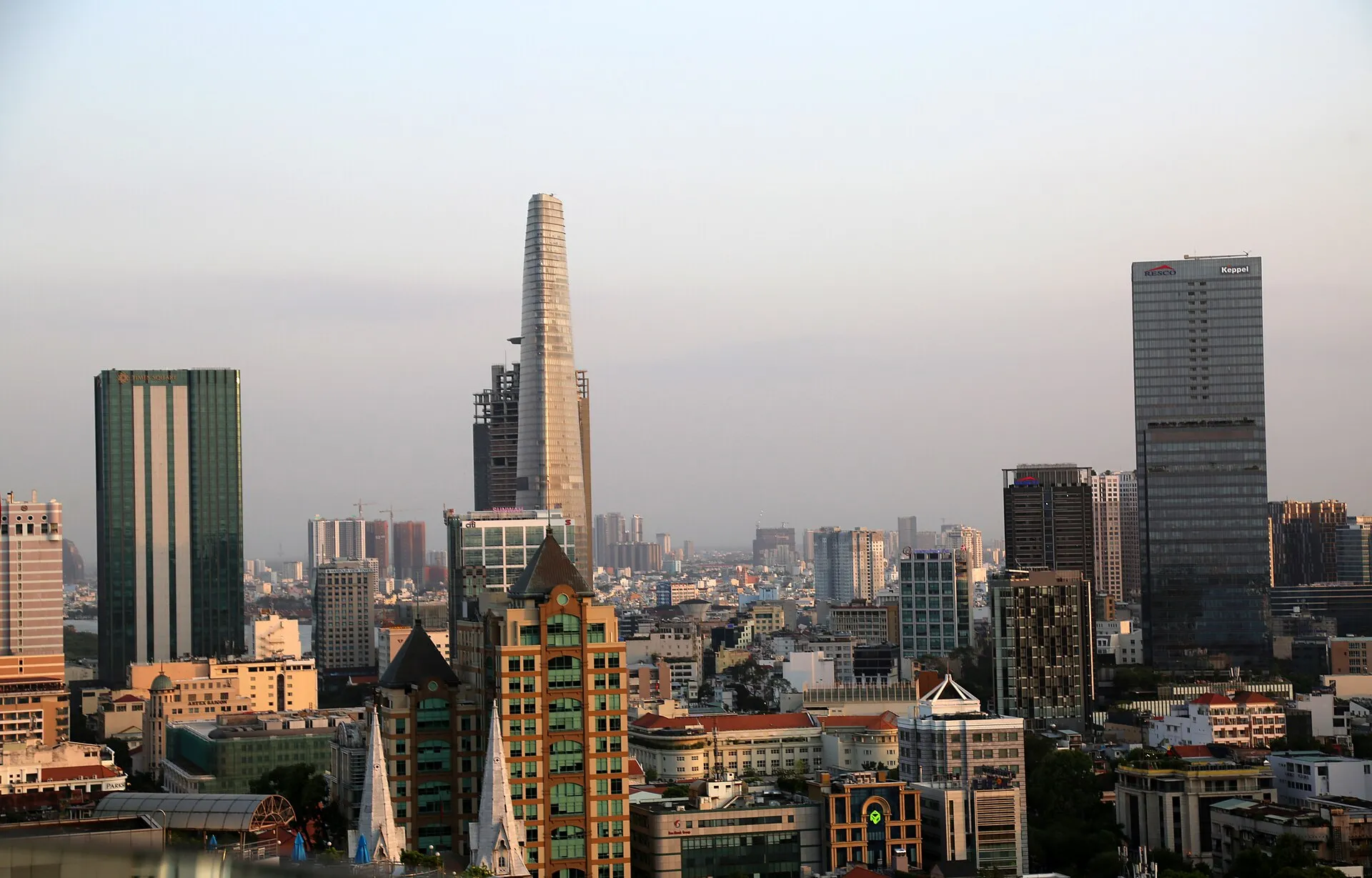
 Ho Chi Minh City
Since 2025, Ho Chi Minh City has had a beach of its own. The merger that folded Bà Rịa-Vũng Tàu into the municipality means Front Beach and the Christ statue on Small Mountain now sit inside the same city limits as Ben Thanh Market. They are also still about 95 kilometres from it. You are still catching a boat on Saturday morning, and that boat is a good place to begin, because these two cities are hard to separate on a weekday. Both are hot, loud, full of good food and flooded by the same September rains. They come apart when you try to leave.
The sea
From Saigon, the hydrofoil leaves Bach Dang pier in the old District 1 and takes somewhere between 75 minutes and two hours, or a bus does it in about two. Book a day ahead for a weekend. Then you could climb to the statue, go up the 129 steps inside it and stand on Christ's shoulder, and on Sunday eat bánh khọt for breakfast, little rice cakes topped with shrimp, wrapped in greens and dipped. It is cheerful and easy, though nobody would call it one of Vietnam's great beaches. If wind is what you want, Mui Ne has kites from November to March and red dunes, but the bus takes five hours each way, which is a long weekend's trip.
From Bangkok, you have two choices and they feel unrelated. Ko Samet takes about three and a half hours by bus from Ekkamai and then a boat that leaves when it is full. The sand is better, and on Saturdays the beaches are packed. Or you could take one of up to ten trains a day to Hua Hin, about four hours, arriving at a wooden station that began life as a royal pavilion. King Prajadhipok built his summer palace here and called it Klai Kang Won, far from worries, and the six kilometres of beach and the seafood at the night market still do that job.
The cool air
Each city has a hill escape, and only one fits in a weekend without flying. Dalat sits at around 1,500 metres among pines, with French villas and nights that drop towards 10°C, a real pleasure after Saigon. But the bus takes seven to nine hours, so you are buying a flight to Lien Khuong.
Bangkok's answer is Khao Yai, on the road and rail line to Korat: take a bus or train to Pak Chong, then a songthaew to the gate. It covers about 2,166 square kilometres of World Heritage forest, with gibbons in the trees, Heo Narok falling 150 metres in the rains and the occasional wild elephant on the road. November to February is the time to go.
The river
Can Tho is Saigon's great weekend, 170 kilometres into the Mekong Delta and three to four hours by road, with the Cai Rang floating market at the end of it. You will be up before dawn to catch it, and it is worth doing once or twice.
Kanchanaburi is easier and we think better. First-class buses leave Bangkok's Southern Terminal every 15 minutes and take about two hours, so you can decide on Friday afternoon. Two trains a day from Thonburi cross the bridge over the Kwai on the line built by prisoners and forced labourers in the war, which makes for a sobering Saturday. After that, you could sleep in a raft room on the river and swim in the seven tiers of Erawan Falls on Sunday.
Adding it up
Bangkok wins this comfortably. It has four different weekends within a bus or train ride, and they take hardly any planning. Saigon has two easy ones, plus Mui Ne if you can bear the bus, and past those you are at the airport, which is itself about to change: Long Thanh, 40 kilometres to the east, is scheduled to begin commercial service on 24 December 2026. How flights divide between it and Tan Son Nhat will decide how far your Friday evening gets you.
Against that sits the price. A month costs about $2,200 in Bangkok on our figures, and $1,700 in Ho Chi Minh City, which leaves you $6,000 a year better off in Saigon, enough for a lot of flights to Dalat. So look back at last year and count the weekends you really left town. Fewer than ten, and you should take the money.
 United States
 United Kingdom
 Germany
 Canada
 Australia
 India