 Bali
Go looking for lunch on one of these islands and sooner or later you meet babi guling: a suckling pig with its belly packed with spices and cassava leaves, turned over a fire until the skin goes brown and crisp, then served with lawar rice. It began as food for ceremonies, and in Bali it has moved on to stalls and restaurants without losing its standing.
Cross the 40 kilometres of the Lombok Strait and the pig mostly leaves the menu. The dish to order is ayam taliwang, named after Karang Taliwang in Mataram. The chicken is grilled halfway, beaten with a pestle to soften it, dipped in oil, then finished in a sauce of garlic, chilli and shrimp paste. It arrives looking like ordinary grilled chicken and stops looking ordinary at the first mouthful. Beside it comes plecing, cold blanched water spinach under more chilli. In Indonesian, as it happens, lombok means chilli, though the island's name is said to come from a Sasak word for straight.
That lunch is a fair map of the difference. Bali is about 86 percent Hindu, the only Hindu-majority province in Indonesia. Sasak people make up about 85 percent of Lombok and are predominantly Muslim. You will feel this more than you expect, because each religion sets the clock you live by.
The calendar
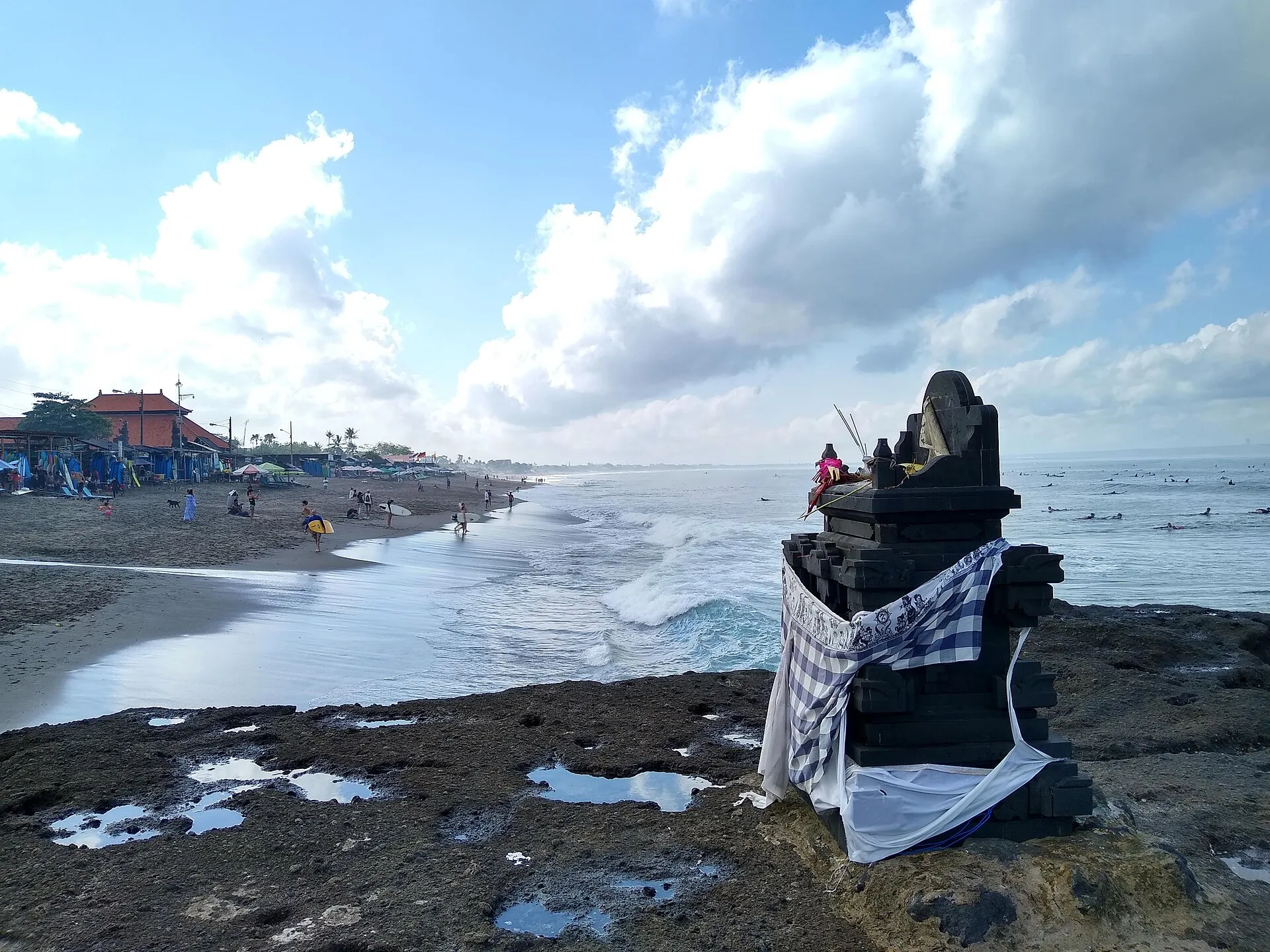
In Bali, it is the temple calendar. Offerings sit on doorsteps, processions stop the traffic, and once a year comes Nyepi, the day of silence. From 6 a.m. until 6 a.m. the next morning, the only airport on the island stays shut, work and travel stop, and nobody goes outside except the traditional security men who check that nobody else has. Tourists who ignore this can be deported. It is remarkable to live through, and it is also a working day you do not get back.
In Lombok, the rhythm comes from the mosques, five times a day, and the coast around Kuta has fewer temptations to stay up late. The night ends far sooner than in Canggu, which people who came for the surf tend to count as a benefit.
Work and money
Bali took close to seven million foreign visitors in 2025, and in Canggu you can see what that buys and what it costs: a coworking space on nearly any street, Gojek and Grab within minutes, jammed roads, and a social life you could join on your first evening. On our estimate you will spend about $2,000 a month there.
Lombok comes in nearer $1,600 by our reckoning, and your plate gets cheaper with it: warungs in Kuta sell dishes for around a dollar, and ayam taliwang at a sit-down place like Keker Taliwang runs to about $5. Work is possible, but you would plan around it. Kuta is the one real base, The Spot has four fibre lines and KARIA runs on Starlink, and away from those desks a video call is a gamble. Grab is patchy in Kuta, so you will rent a scooter for about $3 a day, and you should keep hold of your passport when you do. For the detail, read our Lombok guide for remote workers.
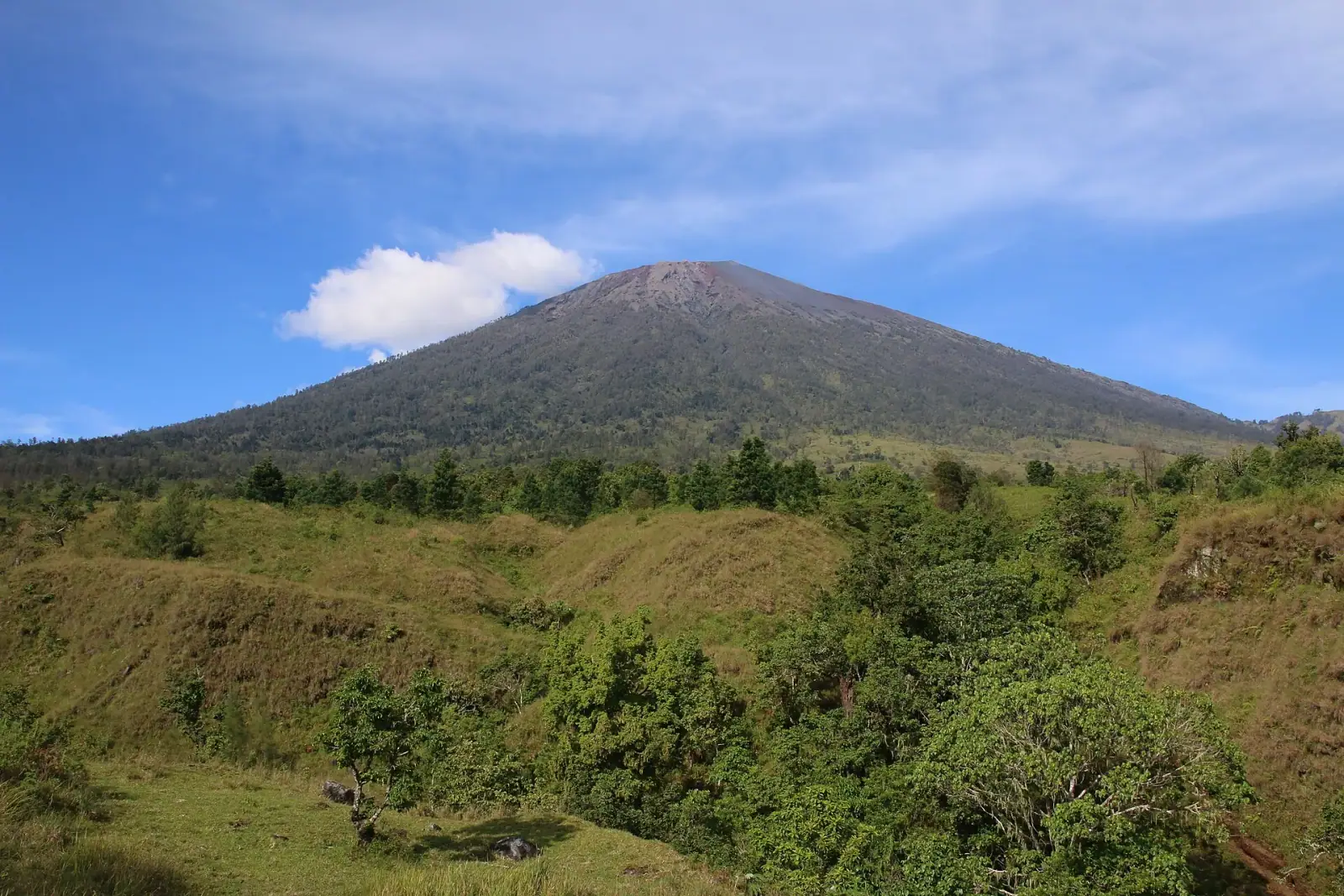
What Lombok gives back is space. Selong Belanak, Tanjung Aan and Mawun are bays you could ride to after work, and Gerupuk has boats out to its breaks. Kuta will not stay this quiet, though. The Mandalika circuit next door has hosted MotoGP since 2022, and its land is still disputed.
We would start in Bali, because a new arrival needs people more than beaches, and move to Lombok for a second stay once you know if you actually surf or just like the idea. You can test that cheaply. Nyepi next falls on 9 March 2027. Take the 40-minute flight a few days before, order the chicken in Kuta, and see whether anything from Canggu is missing other than the pork.
 United States
 United Kingdom
 Germany
 Canada
 Australia
 India