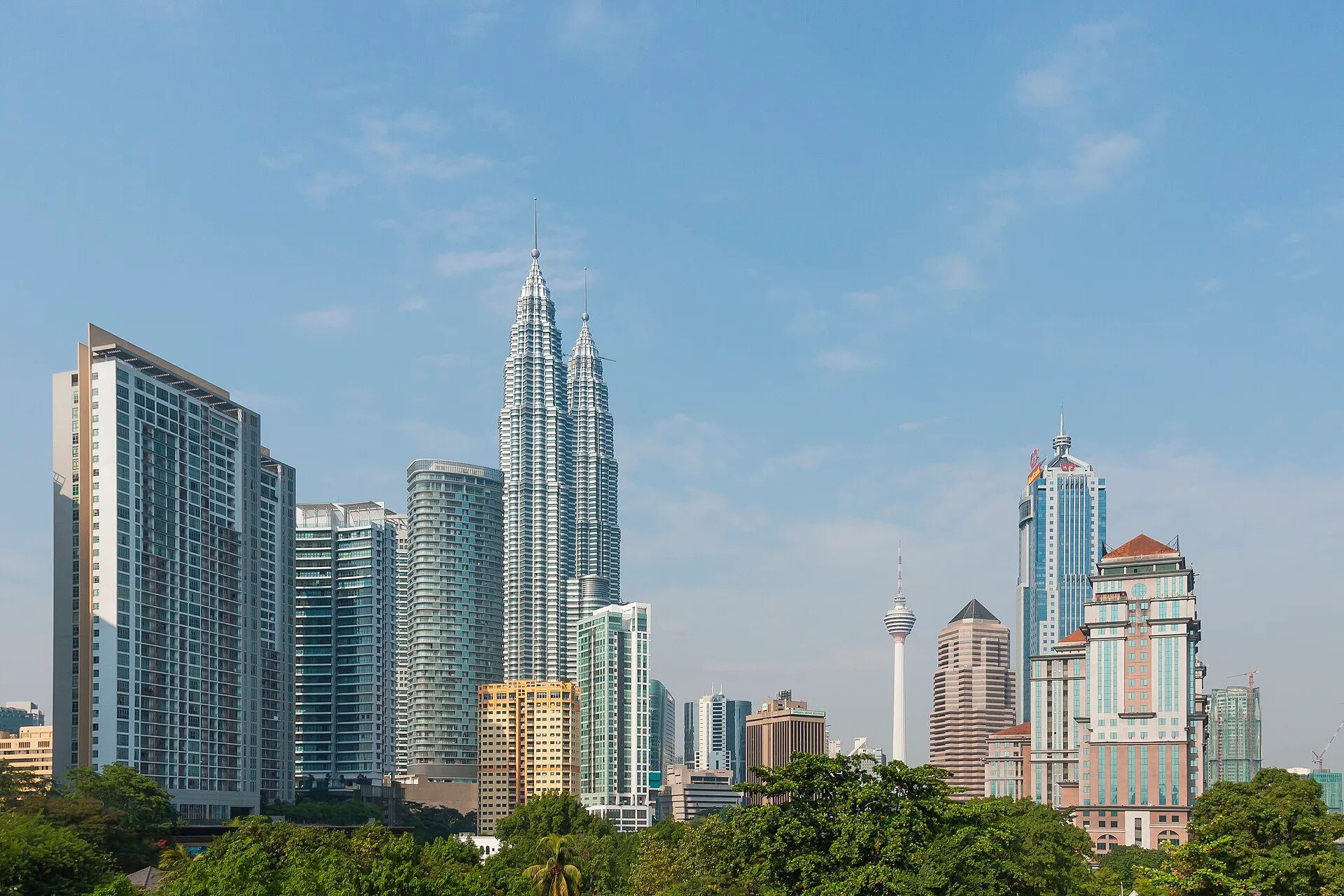
 Kuala Lumpur
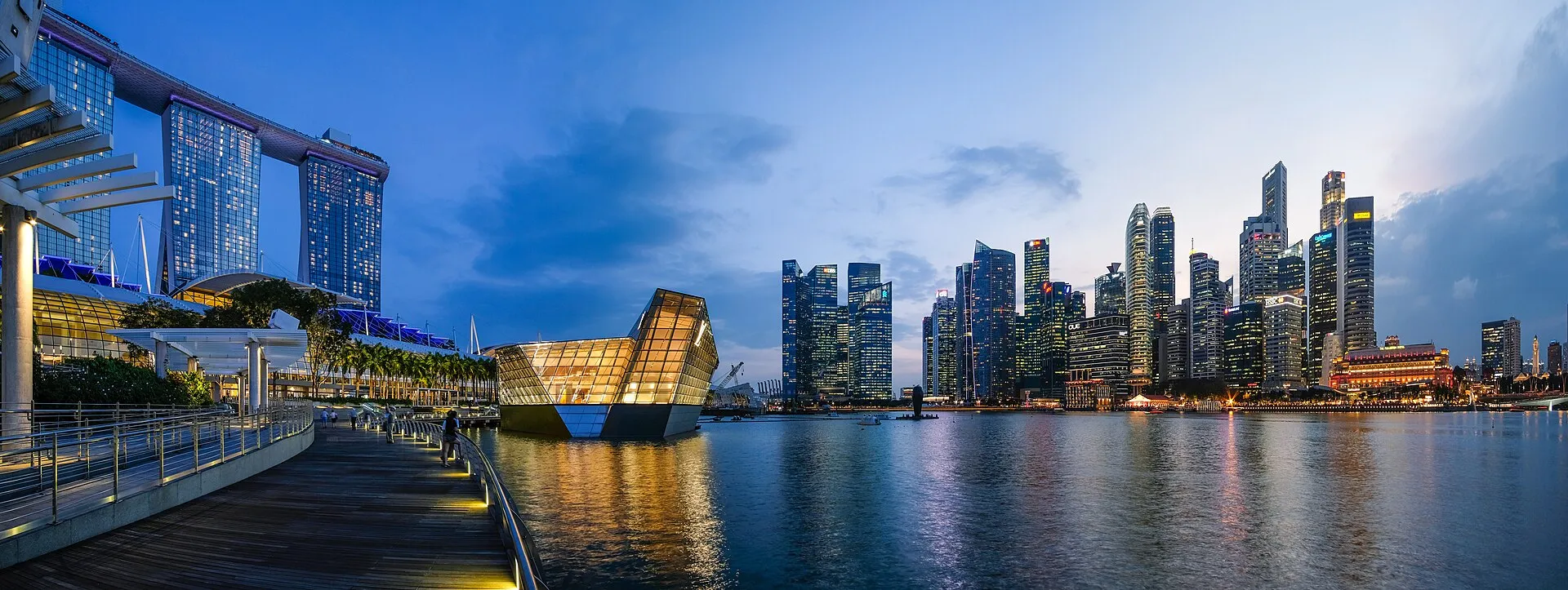
 Singapore
Order nasi lemak on either side of the causeway and you get roughly the same breakfast: rice cooked in coconut milk and pandan, sambal, fried anchovies, peanuts, cucumber, an egg. In Kuala Lumpur it might come wrapped in a banana leaf from a roadside stall, and in Singapore it may arrive at a hawker centre with a chicken drumstick and luncheon meat on the side. Everything else about these two cities is supposed to differ wildly in price. The breakfast mostly does not.
What a plate costs
A typical hawker meal in Singapore costs about $3.85 and a street food meal in Kuala Lumpur about $2.25, on figures a Singaporean MP gave parliament in late 2024. Call the difference $1.60. Eat out three times a day for a month and you have spent about $145 more in Singapore.
Now look at what we estimate for a whole month: $1,800 in Kuala Lumpur and $4,500 in Singapore. The gap is $2,700, and food at the stalls explains about a twentieth of it. So the usual reason people give for loving Singapore, that you can eat superbly for very little, holds up completely. Its hawker culture went on UNESCO's list in 2020, and the 103 stalls at Maxwell Food Centre in Tanjong Pagar, Tian Tian's chicken rice among them, will feed you for the price of a coffee elsewhere.
Kuala Lumpur answers in its own way. Its mamak restaurants, some of them open around the clock, will give you roti canai and teh tarik at any hour with a match on the television, and Jalan Alor, just off Bukit Bintang, is a whole street of Chinese and Thai cooking. We would not call either city the better place to eat. Food should not decide this at all.
What the rest of the gap buys
Almost all of the $2,700 goes on things you do not eat. Even the hawkers feel it: a stall at Marine Parade Central went for about $7,800 a month in rent in a 2024 tender. Your flat is the same story at a different scale, and cars are a separate universe. The certificate that merely entitles you to own a small car for ten years reached a record of more than $100,000 in September 2026. In Singapore, you will take the excellent trains and be glad to. In Kuala Lumpur, a large modern flat in Bangsar or Mont Kiara comes within reach, with a Grab fare whenever the rail lines do not go where you need, and in a city with some 2,850 millimetres of rain a year you will take plenty of those.
The larger difference is whether you can stay at all. Malaysia's DE Rantau pass, on our nomad visa page, asks for about $2,000 a month and runs for up to two years. Singapore's standard route is the Employment Pass, which needs a job with a company and a salary of about $4,300 a month at 23, rising to about $8,250 at 45 and over, and those floors go up again in January 2027. For someone paid from abroad by a client list, Singapore is mainly a place to visit.
Going between them
The trip still takes four or five hours by road or a short flight. The high-speed railway was terminated in 2021 and revived on paper, with no decision yet. What is really coming is smaller: a four-kilometre rail link from Woodlands North across to Johor Bahru, five minutes a ride, due around February 2027. That will make living in Johor and visiting Singapore far easier, and it does not do much for Kuala Lumpur.
So take the flat in Bangsar, unless a Singapore employer is paying for the other thing. Then, every couple of months, go down for a long weekend, queue at Maxwell at lunchtime, and notice that what you paid for the chicken rice was the cheapest part of the trip.
 United States
 United Kingdom
 Germany
 Canada
 Australia
 India