 Limassol
Which airport you land at
Say the cheapest flight from your city lands at Paphos at nine in the evening, which is plausible, since the airport is a Ryanair focus city. Bound for Paphos, you are fine: the harbour is only about 12 kilometres away, by taxi or on bus 612 through Geroskipou. Bound for Limassol, you have a problem. Its airport shuttle from Paphos leaves only three or four times a day, and the latest on the timetable is 21:30, on Saturdays.
Limassol has no airport of its own, so its people mostly use Larnaca, which handled almost 10 million passengers in 2025 against 3.8 million at Paphos. From there the shuttle runs 13 times a day, the last at 23:00, and takes about 50 minutes for about $10. It drops you at a church in the Chavouzas area, a stop that means nothing to you at midnight with two suitcases. Anyone planning to live in Limassol should get used to the name.
A warning about both. The war with Iran reached Cyprus in March, when a drone hit the runway at RAF Akrotiri, a few miles west of Limassol, on the night of 1 to 2 March. Damage was limited and nobody was hurt, though people from Akrotiri village spent that night in army barracks in Limassol. Paphos airport was evacuated that same day over a drone threat, and was later given the all clear. We could trace no attack on the island since, but the British bases are still there, which is worth bearing in mind when you look at flats on the western side of Limassol.
The first hour in Limassol
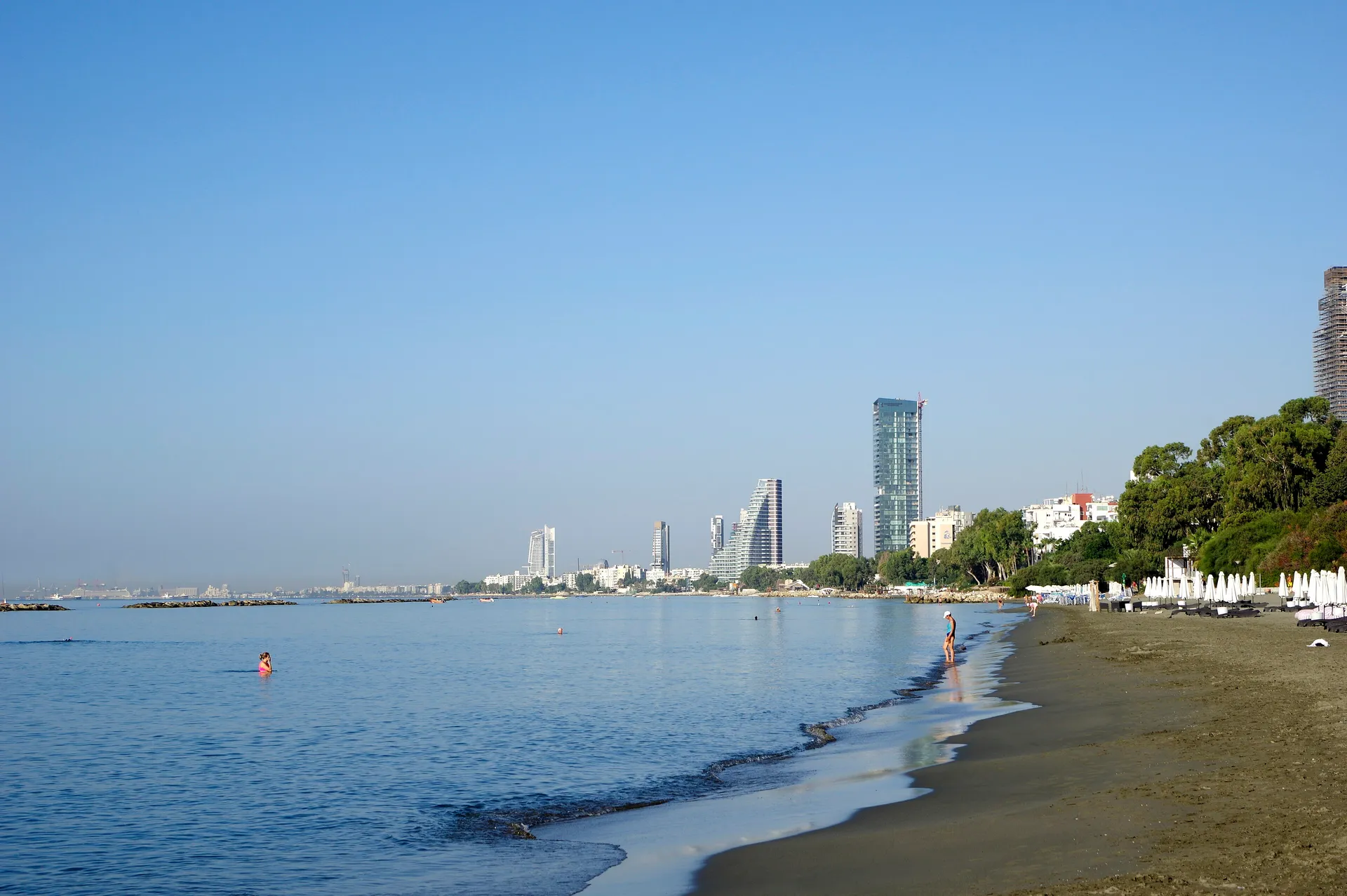
You see the money first. Coming along the motorway at night, the seafront towers stand out, Trilogy and ONE, the second billed as Europe's tallest seafront residential building, and more than 70 tall buildings are proposed or under way. Drop your bags in Germasogeia or near the Molos and walk down. The Molos is a kilometre of reclaimed promenade and sculpture, and it leads to the castle, the marina and the bars and meze places of Agiou Andreou street. At that hour, there are people out, and a fair number of them work in tech or shipping. A one-bedroom near here will run you $1,300 to $1,700, which you will discover in the morning.
The first hour in Paphos
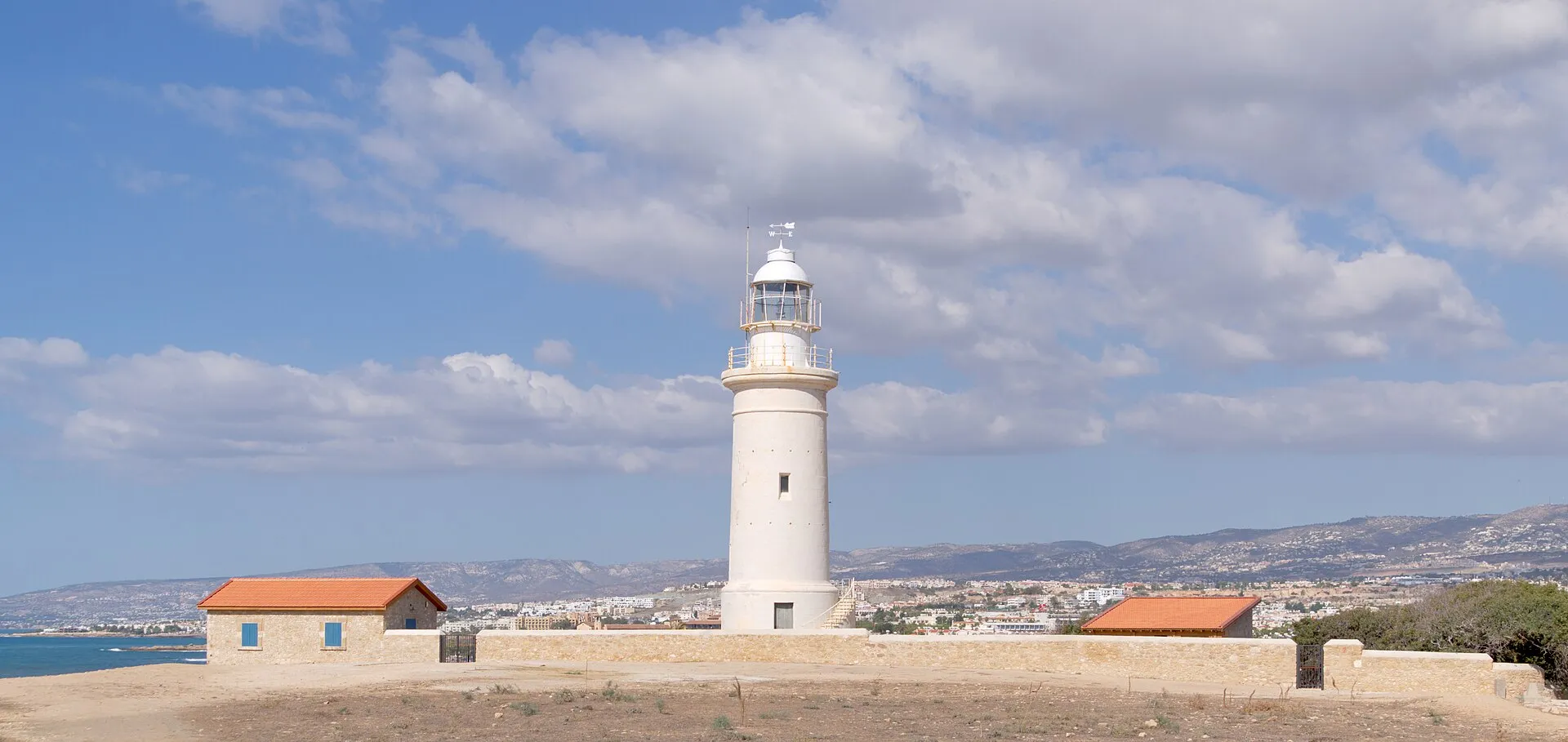
You see the past. Kato Paphos is built around a medieval harbour with its small fort, and a few minutes' walk from your first coffee are the Roman floors of the Houses of Dionysos, Orpheus, Aion and Theseus, among the finest mosaics in the eastern Mediterranean and on the UNESCO list since 1980. It is a resort, and looks it, with most of the big hotels and the entertainment down here. Ktima, up the hill, is where the town does its living, and where Hugge on Gladstonos gives you a desk and the most social room in town. With about 37,000 people in the municipality, it is a third of Limassol's size, and a central flat costs more like $805 to $1,090. By the second hour, you will have noticed the catch: harbour, old town and Chloraka are separate places a few kilometres apart, and you will want a car here too.
What the arrival predicts
Each city goes on as it begins. Limassol is awkward to reach and busy once you are there, with weekly founder meetups, serviced offices and traffic. Paphos is effortless to reach and then asks you to make your own fun, with the Akamas coast and Aphrodite's rock for your weekends and the mildest weather on the island. Our estimate has a month at $2,800 in Limassol and $2,400 in Paphos, a smaller gap than the rents suggest.
Arriving alone, take Limassol for the first year. In your first months, you need people more than you need mosaics, and it is far easier to move somewhere quiet once you know the island than to build a circle in a quiet resort town. Paphos is the better second address.
You can test both on one cheap ticket. Fly into Paphos in daylight, stay a week, then take bus 56 along the coast. It takes about 75 minutes and costs under $5, and Paphos had no motorway at all until 2001. At the other end, you will know which of the two you would rather unpack in.
 United States
 United Kingdom
 Germany
 Canada
 Australia
 India